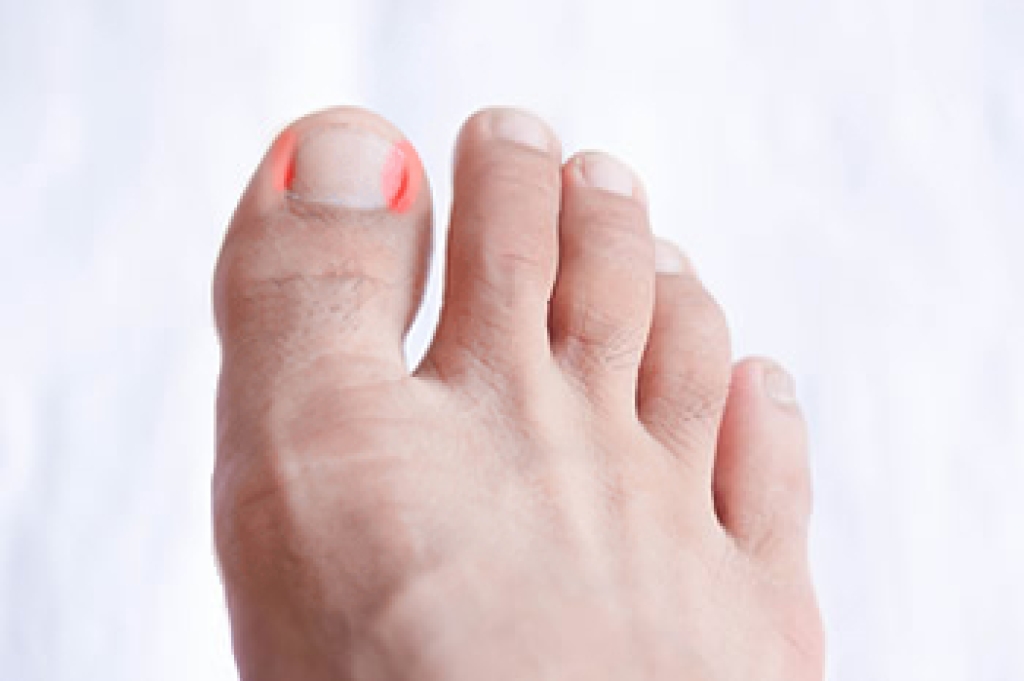
Recognizing Symptoms of Ingrown Toenails

Ingrown toenails can cause significant discomfort, if left untreated. This condition develops when the edge of the toenail grows into the surrounding skin. People often notice redness and swelling surrounding the nail, along with tenderness when pressure is applied. Pain typically worsens when wearing shoes or walking for long periods of time. As the condition progresses, the skin near the nail may become warm and develop drainage or signs of infection. Some people may see pus or feel throbbing pain, especially if bacteria enters the area. The skin may also appear hardened or overgrown along the nail edge. Recognizing these symptoms early can help prevent more serious complications, including deeper infection or abscess. If you notice signs of an ingrown toenail, it is suggested you schedule an appointment with a podiatrist for proper care and appropriate treatment.

Ingrown toenails may initially present themselves as a minor discomfort, but they may progress into an infection in the skin without proper treatment. For more information about ingrown toenails, contact one of our podiatrists of Family Foot Care of Long Island. Our doctors can provide the care you need to keep you pain-free and on your feet.

Ingrown Toenails

Ingrown toenails are caused when the corner or side of a toenail grows into the soft flesh surrounding it. They often result in redness, swelling, pain, and in some cases, infection. This condition typically affects the big toe and may recur if it is not treated properly.

Causes

  • Improper toenail trimming
  • Genetics
  • Improper shoe fitting
  • Injury from pedicures or nail picking
  • Abnormal gait
  • Poor hygiene

You are more likely to develop an ingrown toenail if you are obese, have diabetes, arthritis, or have any fungal infection in your nails. Additionally, people who have foot or toe deformities are at a higher risk of developing an ingrown toenail.

Symptoms

Some symptoms of ingrown toenails are redness, swelling, and pain. In rare cases, there may be a yellowish drainage coming from the nail.

Treatment

Ignoring an ingrown toenail can have serious complications. Infections of the nail border can progress to a deeper soft-tissue infection, which can then turn into a bone infection. You should always speak with your podiatrist if you suspect you have an ingrown toenail, especially if you have diabetes or poor circulation.

If you have any questions, please feel free to contact our office located in Port Jefferson Station, NY . We offer the newest diagnostic and treatment technologies for all your foot care needs.


Read more about Ingrown Toenails

Sever's Disease and Growing Pains That Should Not Be Ignored

Sever's disease is a common cause of heel pain in growing children, especially those who are active in sports. It occurs when the growth plate in the heel becomes inflamed due to repeated stress and tension from the Achilles tendon. Causes include rapid growth, tight calf muscles, and repetitive impact from running or jumping. Risk factors include high activity levels, improper footwear, and participation in sports that involve hard surfaces. Symptoms include heel pain, limping, and tenderness after activity. A podiatrist can diagnose the condition and recommend activity modifications, supportive footwear, and targeted exercise. If your child complains of heel pain, it is suggested that you promptly seek care from a podiatrist to ensure proper treatment and a safe return to activity.

Sever's disease often occurs in children and teens. If your child is experiencing foot or ankle pain, see one of our podiatrists from Family Foot Care of Long Island. Our doctors can treat your child’s foot and ankle needs.

Sever’s Disease

Sever’s disease is also known as calcaneal apophysitis, which is a medical condition that causes heel pain I none or both feet. The disease is known to affect children between the ages of 8 and 14.

Sever’s disease occurs when part of the child’s heel known as the growth plate (calcaneal epiphysis) is attached to the Achilles tendon. This area can suffer injury when the muscles and tendons of the growing foot do not keep pace with bone growth. Therefore, the constant pain which one experiences at the back of the heel will make the child unable to put any weight on the heel. The child is then forced to walk on their toes.

Symptoms

Acute pain – Pain associated with Sever’s disease is usually felt in the heel when the child engages in physical activity such as walking, jumping and or running.

Highly active – Children who are very active are among the most susceptible in experiencing Sever’s disease, because of the stress and tension placed on their feet.

If you have any questions, please feel free to contact our office located in Port Jefferson Station, NY . We offer the newest diagnostic and treatment technologies for all your foot care needs.

Read more about Sever's Disease

Uncomfortable Ankle Pain

The ankle plays a key role in movement and balance, making it prone to a wide range of injuries and conditions. Twisting or rolling the joint can result in a ligament strain, which is one of the most frequent reasons for ankle pain. Bone breaks may follow a fall, sudden impact, or sports accident. Over time, repeated motion or poor foot mechanics can lead to tendon irritation. Some people also develop joint inflammation that makes walking more difficult as stiffness and swelling increase. Pain may be steady or sharp, and movement can become limited depending on the cause. Ignoring these signs may lead to long-term weakness or instability. Early attention and proper support can make a difference in how well the joint recovers. If you have a swollen, painful ankle, or if it feels unstable, it is suggested that you see a podiatrist who can accurately diagnose ankle pain, and offer effective relief and treatment solutions.

Ankle pain can have many different causes and the pain may potentially be serious. If you have ankle pain, consult with one of our podiatrists from Family Foot Care of Long Island. Our doctors will assess your condition and provide you with quality foot and ankle treatment.

Ankle pain is any condition that causes pain in the ankle. Due to the fact that the ankle consists of tendons, muscles, bones, and ligaments, ankle pain can come from a number of different conditions.

Causes

The most common causes of ankle pain include:

  • Types of arthritis (rheumatoid, osteoarthritis, and gout)
  • Ankle sprains
  • Broken ankles
  • Achilles tendinitis
  • Achilles tendon rupture
  • Stress fractures
  • Tarsal tunnel syndrome
  • Plantar fasciitis

Symptoms

Symptoms of ankle injury vary based upon the condition. Pain may include general pain and discomfort, swelling, aching, redness, bruising, burning or stabbing sensations, and/or loss of sensation.

Diagnosis

Due to the wide variety of potential causes of ankle pain, podiatrists will utilize a number of different methods to properly diagnose ankle pain. This can include asking for personal and family medical histories and of any recent injuries. Further diagnosis may include sensation tests, a physical examination, and potentially x-rays or other imaging tests.

Treatment

Just as the range of causes varies widely, so do treatments. Some more common treatments are rest, ice packs, keeping pressure off the foot, orthotics and braces, medication for inflammation and pain, and surgery.

If you have any questions please feel free to contact our office located in Port Jefferson Station, NY . We offer the newest diagnostic tools and technology to treat your foot and ankle needs.

Read more about Ankle Pain

Gout Pain Can Be Managed

Gout is a painful, inflammatory form of arthritis. Those affected will typically feel an intense stiffness in the joints of their feet, particularly in the big toe. Schedule a visit to learn about how gout can be managed and treated.

What to Know About Lower Limb Salvage Surgery

Lower limb salvage surgery is performed to avoid limb loss when there is severe damage to the foot or leg. This may be necessary due to infection, trauma, poor circulation, or complications from conditions, such as diabetes. The goal of this type of surgery is to remove diseased or damaged tissue while preserving as much function and structure as possible. Procedures may include cleaning infected areas, reconstructing bone or soft tissue, or improving blood flow. Recovery often requires close monitoring, wound care, and rehabilitation to support healing and restore movement. This approach can improve quality of life and mobility, especially when combined with lifestyle changes and proper ongoing care. Every case is different, and success depends on the extent of the damage and the body’s ability to heal. If you are facing serious foot or leg complications, it is suggested that you speak with a podiatrist about surgical and non-surgical options.

Diabetic Limb Salvage

Diabetic limb salvage can be an effective way in preventing the need for limb amputation. If you have a foot ulcer and diabetes, consult with one of our podiatrists from Family Foot Care of Long Island. Our doctors will assess your condition and provide you with quality foot and ankle treatment.

What Is Diabetic Limb Salvage?

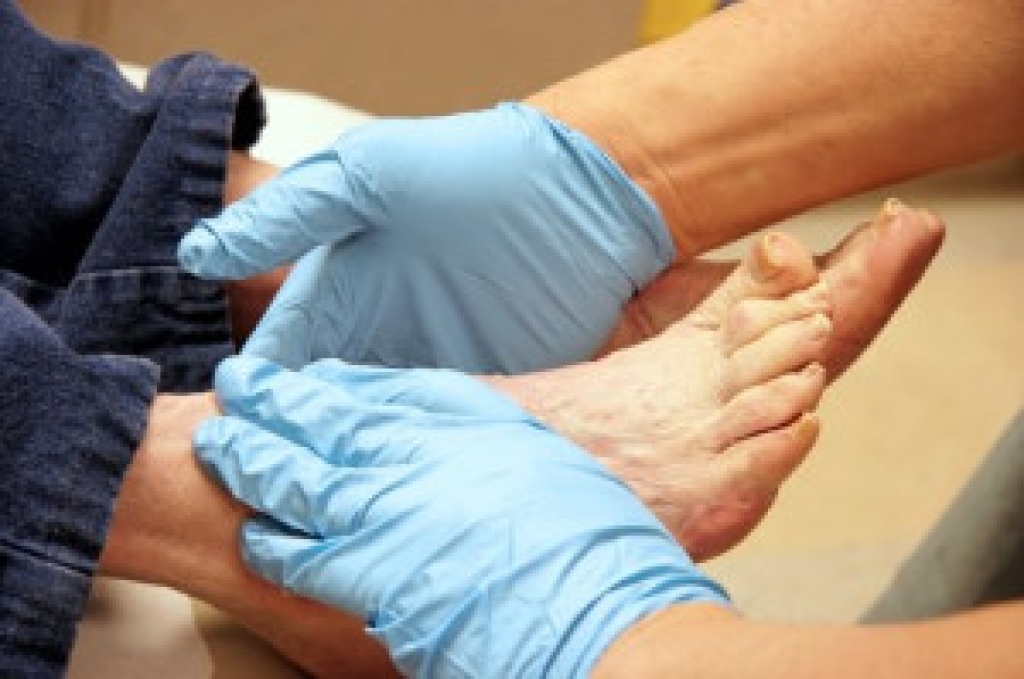
Diabetic limb salvage is the attempt of saving a limb, such as the foot, that has an infected ulcer, from amputation. Podiatrists also try to make sure that there is enough function in the foot after the salvage that it is still usable. Those with diabetes experience poor blood circulation, which prevents proper healing of an ulcer. If the ulcer is left uncheck, it could become infected, which could result in the need for amputation.

Diabetes is the number one cause of non-traumatic amputations in the United States. Amputation has been found to lead to higher mortality rates. This translates into higher healthcare costs, and a reduced quality of life and mobility for amputees. Podiatrists have attempted to increase the prevalence of limb salvage in an attempt to solve these issues.

Diagnosis and Treatment

Limb salvage teams have grown in recent years that utilize a number of different treatments to save the infected limb. This includes podiatrists that specialize in wound care, rehabilitation, orthotics, and surgery. Through a combination of these methods, limb salvage has been found to be an effective treatment for infected limbs, and as an alternative to amputation. Podiatrists will first evaluate the potential for limb salvage and determine if the limb can be saved or must be amputated. 

If you have any questions, please feel free to contact our office located in Port Jefferson Station, NY . We offer the newest diagnostic and treatment technologies for all your foot care needs.
Read more about Diabetic Limb Salvage

Connect With Us