How to Prevent Falling at Home

Preventing falls at home begins with creating a safe and supportive environment. Start by checking all walking surfaces to ensure they are even, dry, and free of loose rugs. Good lighting is essential and helps you see obstacles clearly, especially in hallways and stair areas. Rearranging furniture to open pathways and removing clutter can greatly reduce the risk of tripping. Falls can lead to foot conditions, such as sprains, fractures, heel pain, and tendon injuries that may worsen without proper care. A podiatrist can evaluate any foot or ankle injury, improve stability, recommend supportive footwear, and provide fall prevention guidance tailored to your needs. If you have injured your foot or ankle from falling, it is suggested that you consult a podiatrist who can treat these types of injuries, and guide you on additional fall prevention tips.

Preventing falls among the elderly is very important. If you are older and have fallen or fear that you are prone to falling, consult with one of our podiatrists from Family Foot Care of Long Island. Our doctors will assess your condition and provide you with quality advice and care.

Every 11 seconds, an elderly American is being treated in an emergency room for a fall related injury. Falls are the leading cause of head and hip injuries for those 65 and older. Due to decreases in strength, balance, senses, and lack of awareness, elderly persons are very susceptible to falling. Thankfully, there are a number of things older persons can do to prevent falls.

How to Prevent Falls

Some effective methods that older persons can do to prevent falls include:

  • Enrolling in strength and balance exercise program to increase balance and strength
  • Periodically having your sight and hearing checked
  • Discuss any medications you have with a doctor to see if it increases the risk of falling
  • Clearing the house of falling hazards and installing devices like grab bars and railings
  • Utilizing a walker or cane
  • Wearing shoes that provide good support and cushioning
  • Talking to family members about falling and increasing awareness

Falling can be a traumatic and embarrassing experience for elderly persons; this can make them less willing to leave the house, and less willing to talk to someone about their fears of falling. Doing such things, however, will increase the likelihood of tripping or losing one’s balance. Knowing the causes of falling and how to prevent them is the best way to mitigate the risk of serious injury.  

If you have any questions, please feel free to contact our office located in Port Jefferson Station, NY . We offer the newest diagnostic and treatment technologies for all your foot care needs.

Read more about Falls Prevention

Ankle Injuries in Skateboarding

Skateboarding puts significant stress on the ankles, making sprains one of the most common injuries in the sport. An ankle sprain occurs when the ligaments stretch or tear, often during awkward landings or sudden twists. Sprains are classified by grades based on their severity, from mild stretching to complete ligament tears. Inversion injuries occur when the foot rolls inward, while eversion injuries happen when it rolls outward. Both can cause pain, swelling, and instability. A podiatrist can assess the injury, determine the grade, and develop a treatment plan that includes rehabilitation and preventive exercises. If ankle pain or instability is limiting your performance or recovery, it is suggested that you consult a podiatrist who can guide you toward effective ankle pain recovery, and safely get you back on your board.

Ankle pain can be caused by a number of problems and may be potentially serious. If you have ankle pain, consult with one of our podiatrists from Family Foot Care of Long Island. Our doctors will assess your condition and provide you with quality foot and ankle treatment.

Ankle pain is any condition that causes pain in the ankle. Due to the fact that the ankle consists of tendons, muscles, bones, and ligaments, ankle pain can come from a number of different conditions.

Causes

The most common causes of ankle pain include:

  • Types of arthritis (rheumatoid, osteoarthritis, and gout)
  • Ankle sprains
  • Broken ankles
  • Achilles tendonitis
  • Achilles tendon rupture
  • Stress fractures
  • Bursitis
  • Tarsal tunnel syndrome
  • Plantar fasciitis

Symptoms

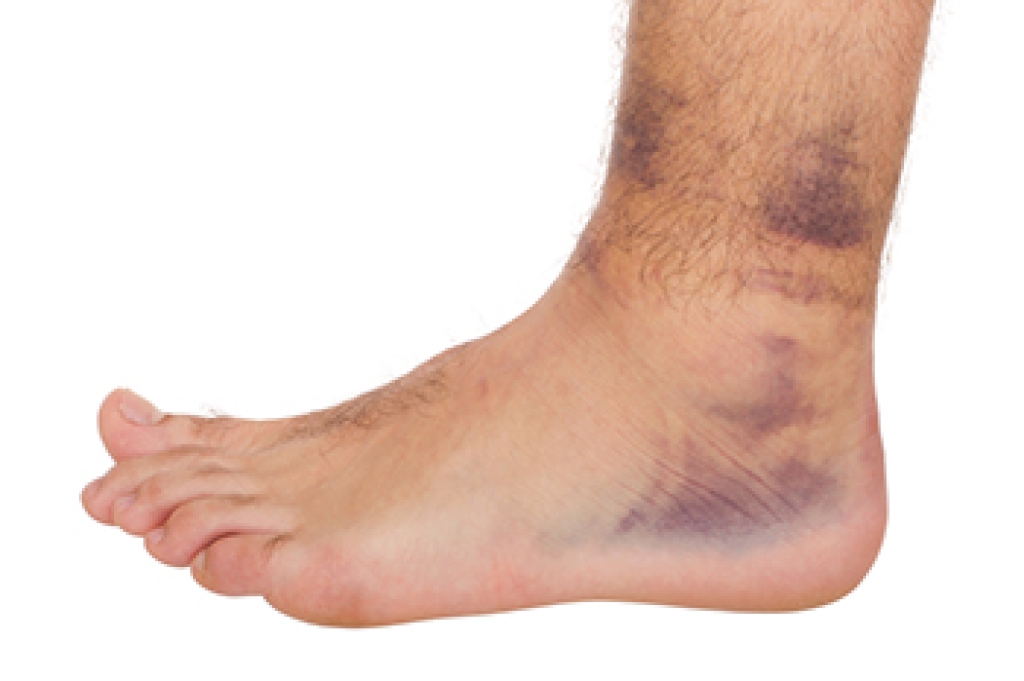
Symptoms of ankle injury vary based upon the condition. Pain may include general pain and discomfort, swelling, aching, redness, bruising, burning or stabbing sensations, and/or loss of sensation.

Diagnosis

Due to the wide variety of potential causes of ankle pain, podiatrists will utilize a number of different methods to properly diagnose ankle pain. This can include asking for personal and family medical histories and of any recent injuries. Further diagnosis may include sensation tests, a physical examination, and potentially x-rays or other imaging tests.

Treatment

Just as the range of causes varies widely, so do treatments. Some more common treatments are rest, ice packs, keeping pressure off the foot, orthotics and braces, medication for inflammation and pain, and surgery.

If you have any questions please feel free to contact our office located in Port Jefferson Station, NY . We offer the newest diagnostic tools and technology to treat your foot and ankle needs.

Read more about Ankle Pain

Ankle Sprain Facts

An ankle sprain occurs when the ligaments that support the ankle stretch or tear, often caused by a sudden twist, fall, or misstep. Symptoms include pain, swelling, bruising, and difficulty bearing weight. Common causes involve sports injuries, uneven surfaces, or unstable footwear. Early treatment is vital to prevent long-term weakness or instability. A podiatrist can evaluate the severity of an ankle sprain through an examination and imaging tests, provide proper bracing, and guide the safe return to activity. Timely care ensures full recovery and helps prevent future sprains. If you have sprained your ankle, it is suggested that you promptly consult a podiatrist who can offer treatment solutions that are right for you.

Ankle sprains are common but need immediate attention. If you need your feet checked, contact one of our podiatrists from Family Foot Care of Long Island. Our doctors can provide the care you need to keep you pain-free and on your feet.

How Does an Ankle Sprain Occur?

Ankle sprains take place when the ligaments in your ankle are torn or stretched beyond their limits. There are multiple ways that the ankle can become injured, including twisting or rolling over onto your ankle, putting undue stress on it, or causing trauma to the ankle itself.

What Are the Symptoms?

  • Mild to moderate bruising
  • Limited mobility
  • Swelling
  • Discoloration of the skin (depending on severity)

Preventing a Sprain

  • Wearing appropriate shoes for the occasion
  • Stretching before exercises and sports
  • Knowing your limits

Treatment of a Sprain

Treatment of a sprain depends on the severity.  Many times, people are told to rest and remain off their feet completely, while others are given an air cast. If the sprain is very severe, surgery may be required.

If you have suffered an ankle sprain previously, you may want to consider additional support such as a brace and regular exercises to strengthen the ankle.

If you have any questions please feel free to contact our office located in Port Jefferson Station, NY . We offer the newest diagnostic tools and technology to treat your foot and ankle needs.

Read more about Ankle Sprains

Heel Pain Can Be Treated!

Do you suffer from heel pain when you get up in the morning? If so, you should seek professional help and have a proper diagnosis performed. Heel pain can be caused by several different foot-related conditions.

Symptoms of Morton’s Neuroma

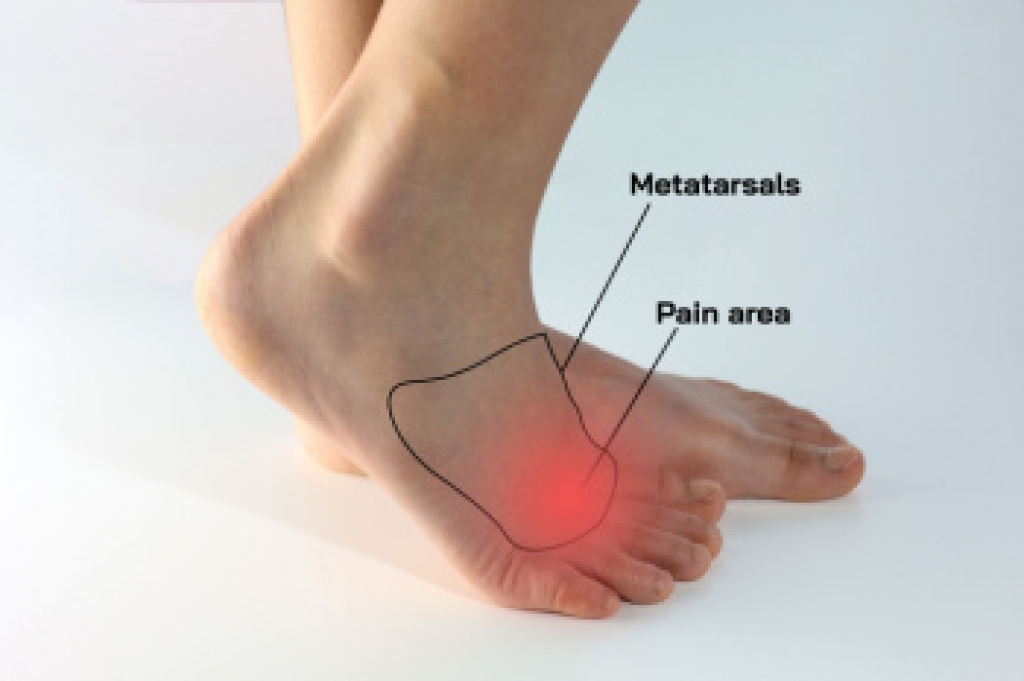
Morton’s neuroma is a painful condition that affects the ball of the foot, usually between the third and fourth toes. It develops when a nerve becomes irritated, leading to discomfort that can feel sharp, stabbing, or burning. Some people also describe the sensation of having a pebble trapped in their shoe. Tingling or numbness in the toes may occur, and symptoms are often triggered or worsened by wearing tight shoes, high heels, or long periods of walking. Over time, the pain of Morton’s neuroma can progress and interfere with daily activities, making it difficult to move comfortably. A podiatrist can evaluate your foot, identify the source of the nerve irritation, and suggest the best way to reduce pressure and pain. In more severe cases, surgery may be discussed as an option. If you are experiencing symptoms of Morton’s neuroma, it is suggested that you schedule an appointment with a podiatrist for an exam and appropriate treatment.

Morton’s neuroma is a very uncomfortable condition to live with. If you think you have Morton’s neuroma, contact one of our podiatrists of Family Foot Care of Long Island. Our doctors will attend to all of your foot care needs and answer any of your related questions.  

Morton’s Neuroma

Morton's neuroma is a painful foot condition that commonly affects the areas between the second and third or third and fourth toe, although other areas of the foot are also susceptible. Morton’s neuroma is caused by an inflamed nerve in the foot that is being squeezed and aggravated by surrounding bones.

What Increases the Chances of Having Morton’s Neuroma?

  • Ill-fitting high heels or shoes that add pressure to the toe or foot
  • Jogging, running or any sport that involves constant impact to the foot
  • Flat feet, bunions, and any other foot deformities

Morton’s neuroma is a very treatable condition. Orthotics and shoe inserts can often be used to alleviate the pain on the forefront of the feet. In more severe cases, corticosteroids can also be prescribed. In order to figure out the best treatment for your neuroma, it’s recommended to seek the care of a podiatrist who can diagnose your condition and provide different treatment options.

If you have any questions, please feel free to contact our office located in Port Jefferson Station, NY . We offer the newest diagnostic and treatment technologies for all your foot care needs.

Read more about Morton's Neuroma

Connect With Us