Connect With Us
Blog
Items filtered by date: March 2020
Monday, 02 March 2020 00:00
Different Types of Running Shoes
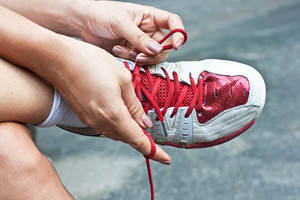 Research has indicated that wearing the right type of running shoes for your preferred style of running can provide the necessary stability for the overall body. It is helpful to decide which type of running will be practiced. People who enjoy running on roads or tracks typically choose a shoe that is made of lightweight and flexible materials, in addition to having smooth soles. Trail-running shoes are constructed with cleats on the outside of the sole, as this helps to maintain a stronger grip on uneven surfaces. When purchasing running shoes, it is suggested that the top of the shoe is similar to the shape of your foot. This can reduce excessive friction, and may help to prevent blisters from forming. If you are interested in purchasing running shoes, it is advised that you speak with a podiatrist who can help you to make the correct choice.
You should always make sure your running shoes fit properly in order to avoid injury. For more information, contact one of our podiatrists from Family Foot Care of Long Island. Our doctors can provide the care you need to keep you pain-free and on your feet.
Choosing the Right Running Shoe for Your Foot Type
Improper shoe sizing can cause a myriad of problems for your feet. Shoes that don’t fit you properly can lead to muscular imbalances in your body, which can result in foot, knee, and hip injuries.
Tips for Finding the Right Running Shoe
- Make sure you have a thumb’s width of wiggle room between the end of your longest toe and the front of the shoe.
- There should be little to no slipping at the heel
- Don’t assume your size in one shoe brand will be your size in another
- Do not lace up your shoes too tightly
- Walk around in the store with your new shoes before you buy them
If you have any questions please feel free to contact our our office located in Port Jefferson Station, NY . We offer the newest diagnostic and treatment technologies for all your foot and ankle needs.
Read more about Choosing the Right Running Shoe Monday, 02 March 2020 00:00
Different Types of Running Shoes
Research has indicated that wearing the right type of running shoes for your preferred style of running can provide the necessary stability for the overall body. It is helpful to decide which type of running will be practiced. People who enjoy running on roads or tracks typically choose a shoe that is made of lightweight and flexible materials, in addition to having smooth soles. Trail-running shoes are constructed with cleats on the outside of the sole, as this helps to maintain a stronger grip on uneven surfaces. When purchasing running shoes, it is suggested that the top of the shoe is similar to the shape of your foot. This can reduce excessive friction, and may help to prevent blisters from forming. If you are interested in purchasing running shoes, it is advised that you speak with a podiatrist who can help you to make the correct choice.
You should always make sure your running shoes fit properly in order to avoid injury. For more information, contact one of our podiatrists from Family Foot Care of Long Island. Our doctors can provide the care you need to keep you pain-free and on your feet.
Choosing the Right Running Shoe for Your Foot Type
Improper shoe sizing can cause a myriad of problems for your feet. Shoes that don’t fit you properly can lead to muscular imbalances in your body, which can result in foot, knee, and hip injuries.
Tips for Finding the Right Running Shoe
- Make sure you have a thumb’s width of wiggle room between the end of your longest toe and the front of the shoe.
- There should be little to no slipping at the heel
- Don’t assume your size in one shoe brand will be your size in another
- Do not lace up your shoes too tightly
- Walk around in the store with your new shoes before you buy them
If you have any questions please feel free to contact our our office located in Port Jefferson Station, NY . We offer the newest diagnostic and treatment technologies for all your foot and ankle needs.
Blog Archives
- April 2025
- March 2025
- February 2025
- January 2025
- December 2024
- November 2024
- October 2024
- September 2024
- August 2024
- July 2024
- June 2024
- May 2024
- April 2024
- March 2024
- February 2024
- January 2024
- December 2023
- November 2023
- October 2023
- September 2023
- August 2023
- July 2023
- June 2023
- May 2023
- April 2023
- March 2023
- February 2023
- January 2023
- December 2022
- November 2022
- October 2022
- September 2022
- August 2022
- July 2022
- June 2022
- May 2022
- April 2022
- March 2022
- February 2022
- January 2022
- December 2021
- November 2021
- October 2021
- September 2021
- August 2021
- July 2021
- June 2021
- May 2021
- April 2021
- March 2021
- February 2021
- January 2021
- December 2020
- November 2020
- October 2020
- September 2020
- August 2020
- July 2020
- June 2020
- May 2020
- April 2020
- March 2020
- February 2020
- January 2020
- December 2019
- November 2019
- October 2019
- September 2019
- August 2019
- July 2019
- June 2019
- May 2019
- April 2019
- March 2019
- February 2019
- January 2019
- December 2018
- November 2018
- October 2018
- September 2018
- August 2018
- July 2018
- June 2018
- May 2018
- April 2018
- March 2018
- February 2018
- January 2018
- December 2017
- November 2017
- October 2017
- September 2017
