Connect With Us
Blog
Items filtered by date: April 2025
Tuesday, 22 April 2025 00:00
Common Foot Injuries in Tennis Players

Tennis players are at risk for various foot and ankle injuries due to the sport’s fast-paced lateral movements and frequent pivoting. Among the most common tennis injuries are ankle sprains, Achilles tendonitis, plantar fasciitis, and stress fractures. These conditions can result from repetitive impact, poor foot alignment, or sudden changes in direction on hard courts. For example, an ankle sprain occurs when the ligaments surrounding the ankle are overstretched or torn, often after a quick pivot or awkward landing. Achilles tendonitis and plantar fasciitis are overuse injuries that affect the soft tissues in the heel and can lead to chronic pain if left untreated. Stress fractures, which are hairline cracks in the bones, result from repetitive pounding of the feet during play. A podiatrist can use diagnostic imaging to confirm the exact type and extent of the injury. Depending on the diagnosis, medical treatment may include immobilization, custom orthotic support, anti-inflammatory medication, or surgery for more serious cases. If you experience foot or ankle pain after playing tennis, it is suggested that you make an appointment with a podiatrist for an exam, diagnosis, and treatment.
Sports related foot and ankle injuries require proper treatment before players can go back to their regular routines. For more information, contact one of our podiatrists of Family Foot Care of Long Island. Our doctors can provide the care you need to keep you pain-free and on your feet.
Sports Related Foot and Ankle Injuries
Foot and ankle injuries are a common occurrence when it comes to athletes of any sport. While many athletes dismiss the initial aches and pains, the truth is that ignoring potential foot and ankle injuries can lead to serious problems. As athletes continue to place pressure and strain the area further, a mild injury can turn into something as serious as a rupture and may lead to a permanent disability. There are many factors that contribute to sports related foot and ankle injuries, which include failure to warm up properly, not providing support or wearing bad footwear. Common injuries and conditions athletes face, including:
- Plantar Fasciitis
- Plantar Fasciosis
- Achilles Tendinitis
- Achilles Tendon Rupture
- Ankle Sprains
Sports related injuries are commonly treated using the RICE method. This includes rest, applying ice to the injured area, compression and elevating the ankle. More serious sprains and injuries may require surgery, which could include arthroscopic and reconstructive surgery. Rehabilitation and therapy may also be required in order to get any recovering athlete to become fully functional again. Any unusual aches and pains an athlete sustains must be evaluated by a licensed, reputable medical professional.
If you have any questions please feel free to contact our office located in Port Jefferson Station, NY . We offer the newest diagnostic and treatment technologies for all your foot and ankle needs.
Tuesday, 15 April 2025 00:00
Anterior Tibial Tendonitis and Why It Happens
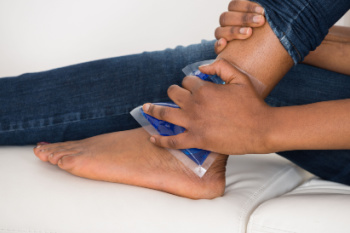
Anterior tibial tendonitis is the inflammation of the tendon that runs along the front of the ankle and connects the shin to the foot. This condition develops when the tendon becomes irritated or overused, often due to repetitive stress from walking, running, or activities that involve frequent ankle movement. Common symptoms include pain along the front of the ankle or shin, swelling, and stiffness, especially during or after activity. The discomfort may worsen when walking uphill or climbing stairs. Risk factors include overuse, sudden increases in activity, improper footwear, flat feet, or weak supporting muscles. Individuals who are active or have biomechanical imbalances may be more prone to developing this condition. If you have ankle pain, it is suggested that you consult a podiatrist who can offer effective treatment solutions.
Ankle pain can be caused by a number of problems and may be potentially serious. If you have ankle pain, consult with one of our podiatrists from Family Foot Care of Long Island. Our doctors will assess your condition and provide you with quality foot and ankle treatment.
Ankle pain is any condition that causes pain in the ankle. Due to the fact that the ankle consists of tendons, muscles, bones, and ligaments, ankle pain can come from a number of different conditions.
Causes
The most common causes of ankle pain include:
- Types of arthritis (rheumatoid, osteoarthritis, and gout)
- Ankle sprains
- Broken ankles
- Achilles tendonitis
- Achilles tendon rupture
- Stress fractures
- Bursitis
- Tarsal tunnel syndrome
- Plantar fasciitis
Symptoms
Symptoms of ankle injury vary based upon the condition. Pain may include general pain and discomfort, swelling, aching, redness, bruising, burning or stabbing sensations, and/or loss of sensation.
Diagnosis
Due to the wide variety of potential causes of ankle pain, podiatrists will utilize a number of different methods to properly diagnose ankle pain. This can include asking for personal and family medical histories and of any recent injuries. Further diagnosis may include sensation tests, a physical examination, and potentially x-rays or other imaging tests.
Treatment
Just as the range of causes varies widely, so do treatments. Some more common treatments are rest, ice packs, keeping pressure off the foot, orthotics and braces, medication for inflammation and pain, and surgery.
If you have any questions, please feel free to contact our office located in Port Jefferson Station, NY . We offer the newest diagnostic and treatment technologies for all your foot care needs.
Friday, 11 April 2025 00:00
Why Live with Pain and Numbness in Your Feet?

Suffering from this type of pain? You may have the foot condition known as Morton's neuroma. Morton's neuroma may develop as a result of ill-fitting footwear and existing foot deformities. We can help.
Tuesday, 08 April 2025 00:00
Facts About Bunions
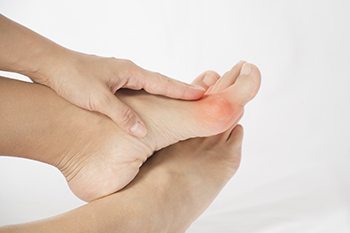
Bunions are bony bumps that form at the base of the big toe, where the joint sticks out as the tip of the toe angles toward the second toe. This misalignment can make the foot appear uneven and swollen. The skin over the bump may be red and inflamed, and the area can be tender, especially when pressure is applied, such as when wearing shoes. The pain may worsen over time and become constant, especially in tight footwear. Bunions are more common in women, particularly those who wear high heels or narrow shoes, but they can also develop due to genetics, abnormal foot mechanics, or conditions like arthritis. Other factors include flat feet or a history of foot injuries. A podiatrist can help by evaluating the bunion and recommending treatment, including custom orthotics, padding, or adjustments in footwear. In more severe cases, surgery may be required to correct the alignment of the toe. If you have a painful bunion, it is suggested that you schedule an appointment with a podiatrist.
If you are suffering from bunions, contact one of our podiatrists of Family Foot Care of Long Island. Our doctors can provide the care you need to keep you pain-free and on your feet.
What Is a Bunion?
A bunion is formed of swollen tissue or an enlargement of boney growth, usually located at the base joint of the toe that connects to the foot. The swelling occurs due to the bones in the big toe shifting inward, which impacts the other toes of the foot. This causes the area around the base of the big toe to become inflamed and painful.
Why Do Bunions Form?
Genetics – Susceptibility to bunions are often hereditary
Stress on the feet – Poorly fitted and uncomfortable footwear that places stress on feet, such as heels, can worsen existing bunions
How Are Bunions Diagnosed?
Doctors often perform two tests – blood tests and x-rays – when trying to diagnose bunions, especially in the early stages of development. Blood tests help determine if the foot pain is being caused by something else, such as arthritis, while x-rays provide a clear picture of your bone structure to your doctor.
How Are Bunions Treated?
- Refrain from wearing heels or similar shoes that cause discomfort
- Select wider shoes that can provide more comfort and reduce pain
- Anti-inflammatory and pain management drugs
- Orthotics or foot inserts
- Surgery
If you have any questions, please feel free to contact our office located in Port Jefferson Station, NY . We offer the newest diagnostic and treatment technologies for all your foot care needs.
Tuesday, 01 April 2025 00:00
Symptoms and Types of Toe Arthritis

Arthritis in the toes can cause significant discomfort and impact mobility. Swelling is a common symptom, often making shoes feel tighter and causing tenderness with pressure. Soreness may be persistent or worsen with activity, leading to difficulty walking or standing for long periods. Restricted movement can develop as the joints become stiff, making it challenging to bend or flex the toes. Additionally, redness and warmth surrounding the affected joints may indicate inflammation, often accompanied by pain. In more advanced cases, deformities such as bunions or claw toes can occur, altering the foot’s natural shape. The most common types of arthritis affecting the toes include osteoarthritis, rheumatoid arthritis, and gout. If you have toe pain, it is suggested that you confer with a podiatrist who can offer a proper diagnosis and treatment.
Toe pain can disrupt your daily activities. If you have any concerns, contact one of our podiatrists of Family Foot Care of Long Island. Our doctors can provide the care you need to keep you pain-free and on your feet.
What Causes Toe Pain?
Most severe toe pain is caused due to a sports injury, trauma from dropping something heavy on the toe, or bumping into something rigid. Other problems can develop over time for various reasons.
Toe pain can be caused by one or more ailments. The most common include:
- Trauma
- Sports injury
- Wearing shoes that are too tight
- Arthritis
- Gout
- Corns and calluses
- Hammertoe
- Bunions
- Blisters
- Ingrown toenails
- Sprains
- Fractures (broken bones)
- Dislocations
When to See a Podiatrist
- Severe pain
- Persistent pain that lasts more than a week
- Signs of infection
- Continued swelling
- Pain that prevents walking
Diagnosis
In many cases the cause of toe pain is obvious, but in others, a podiatrist may want to use more advanced methods to determine the problem. These can range from simple visual inspections and sensation tests to X-rays and MRI scans. Prior medical history, family medical history, and any recent physical traumatic events will all be taken into consideration for a proper diagnosis.
Treatment
Treatments for toe pain and injuries vary and may include shoe inserts, padding, taping, medicines, injections, and in some cases, surgery. If you believe that you have broken a toe, please see a podiatrist as soon as possible.
If you have any questions please feel free to contact our office located in Port Jefferson Station, NY . We offer the newest diagnostic tools and technology to treat your foot and ankle needs.
Blog Archives
- April 2025
- March 2025
- February 2025
- January 2025
- December 2024
- November 2024
- October 2024
- September 2024
- August 2024
- July 2024
- June 2024
- May 2024
- April 2024
- March 2024
- February 2024
- January 2024
- December 2023
- November 2023
- October 2023
- September 2023
- August 2023
- July 2023
- June 2023
- May 2023
- April 2023
- March 2023
- February 2023
- January 2023
- December 2022
- November 2022
- October 2022
- September 2022
- August 2022
- July 2022
- June 2022
- May 2022
- April 2022
- March 2022
- February 2022
- January 2022
- December 2021
- November 2021
- October 2021
- September 2021
- August 2021
- July 2021
- June 2021
- May 2021
- April 2021
- March 2021
- February 2021
- January 2021
- December 2020
- November 2020
- October 2020
- September 2020
- August 2020
- July 2020
- June 2020
- May 2020
- April 2020
- March 2020
- February 2020
- January 2020
- December 2019
- November 2019
- October 2019
- September 2019
- August 2019
- July 2019
- June 2019
- May 2019
- April 2019
- March 2019
- February 2019
- January 2019
- December 2018
- November 2018
- October 2018
- September 2018
- August 2018
- July 2018
- June 2018
- May 2018
- April 2018
- March 2018
- February 2018
- January 2018
- December 2017
- November 2017
- October 2017
- September 2017
