Connect With Us
Blog
Items filtered by date: September 2021
Tuesday, 28 September 2021 00:00
Treatments Options for Foot Rashes
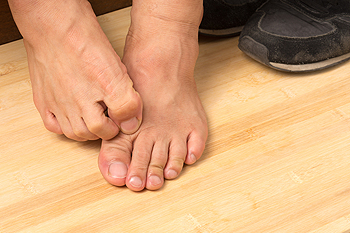
If you have a rash on your feet, it is important to know what is causing it prior to beginning treatment. Effective treatments vary depending on the underlying cause. Athlete’s foot, a fungal infection that causes a red, scaly, itchy rash on the feet, is best treated by topical or oral antifungal medications. Allergic reactions, such as irritant contact dermatitis, allergic contact dermatitis, and atopic dermatitis, can be treated with topical corticosteroids and oral antihistamine drugs. Certain medical conditions, such as viral infections, Lyme disease, or psoriasis, can cause a rash to develop on the feet and may require other types of treatments. If you have a rash on your feet, please schedule a visit with a podiatrist who can diagnose the underlying cause and prescribe the right treatment for you.
Athlete’s Foot
Athlete’s foot is often an uncomfortable condition to experience. Thankfully, podiatrists specialize in treating athlete’s foot and offer the best treatment options. If you have any questions about athlete’s foot, consult with one of our podiatrists from Family Foot Care of Long Island. Our doctors will assess your condition and provide you with quality treatment.
What Is Athlete’s Foot?
Tinea pedis, more commonly known as athlete’s foot, is a non-serious and common fungal infection of the foot. Athlete’s foot is contagious and can be contracted by touching someone who has it or infected surfaces. The most common places contaminated by it are public showers, locker rooms, and swimming pools. Once contracted, it grows on feet that are left inside moist, dark, and warm shoes and socks.
Prevention
The most effective ways to prevent athlete’s foot include:
- Thoroughly washing and drying feet
- Avoid going barefoot in locker rooms and public showers
- Using shower shoes in public showers
- Wearing socks that allow the feet to breathe
- Changing socks and shoes frequently if you sweat a lot
Symptoms
Athlete’s foot initially occurs as a rash between the toes. However, if left undiagnosed, it can spread to the sides and bottom of the feet, toenails, and if touched by hand, the hands themselves. Symptoms include:
- Redness
- Burning
- Itching
- Scaly and peeling skin
Diagnosis and Treatment
Diagnosis is quick and easy. Skin samples will be taken and either viewed under a microscope or sent to a lab for testing. Sometimes, a podiatrist can diagnose it based on simply looking at it. Once confirmed, treatment options include oral and topical antifungal medications.
If you have any questions, please feel free to contact our office located in Port Jefferson Station, NY . We offer the newest diagnostic and treatment technologies for all your foot care needs.
Tuesday, 28 September 2021 00:00
Treatments Options for Foot Rashes
If you have a rash on your feet, it is important to know what is causing it prior to beginning treatment. Effective treatments vary depending on the underlying cause. Athlete’s foot, a fungal infection that causes a red, scaly, itchy rash on the feet, is best treated by topical or oral antifungal medications. Allergic reactions, such as irritant contact dermatitis, allergic contact dermatitis, and atopic dermatitis, can be treated with topical corticosteroids and oral antihistamine drugs. Certain medical conditions, such as viral infections, Lyme disease, or psoriasis, can cause a rash to develop on the feet and may require other types of treatments. If you have a rash on your feet, please schedule a visit with a podiatrist who can diagnose the underlying cause and prescribe the right treatment for you.
Athlete’s Foot
Athlete’s foot is often an uncomfortable condition to experience. Thankfully, podiatrists specialize in treating athlete’s foot and offer the best treatment options. If you have any questions about athlete’s foot, consult with one of our podiatrists from Family Foot Care of Long Island. Our doctors will assess your condition and provide you with quality treatment.
What Is Athlete’s Foot?
Tinea pedis, more commonly known as athlete’s foot, is a non-serious and common fungal infection of the foot. Athlete’s foot is contagious and can be contracted by touching someone who has it or infected surfaces. The most common places contaminated by it are public showers, locker rooms, and swimming pools. Once contracted, it grows on feet that are left inside moist, dark, and warm shoes and socks.
Prevention
The most effective ways to prevent athlete’s foot include:
- Thoroughly washing and drying feet
- Avoid going barefoot in locker rooms and public showers
- Using shower shoes in public showers
- Wearing socks that allow the feet to breathe
- Changing socks and shoes frequently if you sweat a lot
Symptoms
Athlete’s foot initially occurs as a rash between the toes. However, if left undiagnosed, it can spread to the sides and bottom of the feet, toenails, and if touched by hand, the hands themselves. Symptoms include:
- Redness
- Burning
- Itching
- Scaly and peeling skin
Diagnosis and Treatment
Diagnosis is quick and easy. Skin samples will be taken and either viewed under a microscope or sent to a lab for testing. Sometimes, a podiatrist can diagnose it based on simply looking at it. Once confirmed, treatment options include oral and topical antifungal medications.
If you have any questions, please feel free to contact our office located in Port Jefferson Station, NY . We offer the newest diagnostic and treatment technologies for all your foot care needs.
Friday, 24 September 2021 00:00
Are You Suffering From Ingrown Toenails?

If left untreated, an ingrown toenail can lead to more serious concerns, such as an infection. Knowing proper nail care can help in the prevention of an ingrown toenail. Give us a call, and get treated!
Friday, 24 September 2021 00:00
Are You Suffering From Ingrown Toenails?
If left untreated, an ingrown toenail can lead to more serious concerns, such as an infection. Knowing proper nail care can help in the prevention of an ingrown toenail. Give us a call, and get treated!
Tuesday, 21 September 2021 00:00
Taking a Closer Look at Corns
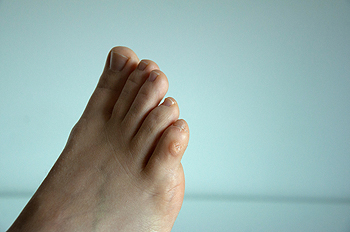
Corns are hardened, thickened areas of skin on your feet that develop due to friction or pressure from footwear. They are typically small and round-shaped, getting their name from their similarity to a kernel of corn. Corns come in two varieties: hard and soft. Hard corns usually form on the tops of the toes and are dry and dense, while soft corns are found between the toes and have a more rubbery texture. Corns of any kind may cause pain or discomfort if there is pressure placed on them. Corns are particularly problematic, possibly leading to complications in people with diabetes or other conditions that affect blood flow to the feet. If you have developed a corn that is painful or chronic, or if you are a diabetic, please seek the professional care of a podiatrist.
If you have any concerns regarding your feet and ankles, contact one of our podiatrists of Family Foot Care of Long Island. Our doctors will treat your foot and ankle needs.
Corns: What Are They? and How Do You Get Rid of Them?
Corns can be described as areas of the skin that have thickened to the point of becoming painful or irritating. They are often layers and layers of the skin that have become dry and rough, and are normally smaller than calluses.
Ways to Prevent Corns
There are many ways to get rid of painful corns such as wearing:
- Well-fitting socks
- Comfortable shoes that are not tight around your foot
- Shoes that offer support
Treating Corns
Treatment of corns involves removing the dead skin that has built up in the specific area of the foot. Consult with Our doctors to determine the best treatment option for your case of corns.
If you have any questions please feel free to contact our office located in Port Jefferson Station, NY . We offer the newest diagnostic and treatment technologies for all your foot and ankle needs.
Tuesday, 21 September 2021 00:00
Taking a Closer Look at Corns
Corns are hardened, thickened areas of skin on your feet that develop due to friction or pressure from footwear. They are typically small and round-shaped, getting their name from their similarity to a kernel of corn. Corns come in two varieties: hard and soft. Hard corns usually form on the tops of the toes and are dry and dense, while soft corns are found between the toes and have a more rubbery texture. Corns of any kind may cause pain or discomfort if there is pressure placed on them. Corns are particularly problematic, possibly leading to complications in people with diabetes or other conditions that affect blood flow to the feet. If you have developed a corn that is painful or chronic, or if you are a diabetic, please seek the professional care of a podiatrist.
If you have any concerns regarding your feet and ankles, contact one of our podiatrists of Family Foot Care of Long Island. Our doctors will treat your foot and ankle needs.
Corns: What Are They? and How Do You Get Rid of Them?
Corns can be described as areas of the skin that have thickened to the point of becoming painful or irritating. They are often layers and layers of the skin that have become dry and rough, and are normally smaller than calluses.
Ways to Prevent Corns
There are many ways to get rid of painful corns such as wearing:
- Well-fitting socks
- Comfortable shoes that are not tight around your foot
- Shoes that offer support
Treating Corns
Treatment of corns involves removing the dead skin that has built up in the specific area of the foot. Consult with Our doctors to determine the best treatment option for your case of corns.
If you have any questions please feel free to contact our office located in Port Jefferson Station, NY . We offer the newest diagnostic and treatment technologies for all your foot and ankle needs.
Tuesday, 14 September 2021 00:00
Caring for Your Child’s Feet
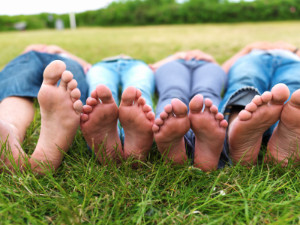
Good foot care is not beneficial only for adults, but also for children. You can put your child on the path to a lifetime of healthy feet by following a few simple tips. If you have a young child, let them walk around barefoot where it is safe to do so. Young, growing feet build strength and flexibility as they walk barefoot. Wash and dry your child’s feet daily to promote good foot hygiene and prevent skin and nail problems. Trim your child’s toenails regularly, cutting them straight across and not too short to reduce the risk of ingrown toenails. Finally, choose the right shoes and socks for your child. They should fit the child’s feet well, be supportive and comfortable, and be made of breathable materials. If your child complains of any foot pain, or if you notice any worrisome changes to their feet, please consult with a podiatrist.
The health of a child’s feet is vital to their overall well-being. If you have any questions regarding foot health, contact one of our podiatrists of Family Foot Care of Long Island. Our doctors can provide the care you need to keep you pain-free and on your feet.
Tips for Keeping Children's Feet Healthy
- Make sure their shoes fit properly
- Look for any signs of in-toeing or out-toeing
- Check to see if they have Clubfoot (condition that affects your child’s foot and ankle, twisting the heel and toes inward) which is one of the most common nonmajor birth defects.
- Lightly cover your baby’s feet (Tight covers may keep your baby from moving their feet freely, and could prevent normal development)
- Allow your toddler to go shoeless (Shoes can be restricting for a young child’s foot)
- Cut toenails straight across to avoid ingrown toenails
- Keep your child’s foot clean and dry
- Cover cuts and scrapes. Wash any scratches with soap and water and cover them with a bandage until they’ve healed.
If you have any questions, please feel free to contact our office located in Port Jefferson Station, NY . We offer the newest diagnostic and treatment technologies for all your foot care needs.
Read more about How to Care for Your Child's Feet Tuesday, 14 September 2021 00:00
Caring for Your Child’s Feet
Good foot care is not beneficial only for adults, but also for children. You can put your child on the path to a lifetime of healthy feet by following a few simple tips. If you have a young child, let them walk around barefoot where it is safe to do so. Young, growing feet build strength and flexibility as they walk barefoot. Wash and dry your child’s feet daily to promote good foot hygiene and prevent skin and nail problems. Trim your child’s toenails regularly, cutting them straight across and not too short to reduce the risk of ingrown toenails. Finally, choose the right shoes and socks for your child. They should fit the child’s feet well, be supportive and comfortable, and be made of breathable materials. If your child complains of any foot pain, or if you notice any worrisome changes to their feet, please consult with a podiatrist.
The health of a child’s feet is vital to their overall well-being. If you have any questions regarding foot health, contact one of our podiatrists of Family Foot Care of Long Island. Our doctors can provide the care you need to keep you pain-free and on your feet.
Tips for Keeping Children's Feet Healthy
- Make sure their shoes fit properly
- Look for any signs of in-toeing or out-toeing
- Check to see if they have Clubfoot (condition that affects your child’s foot and ankle, twisting the heel and toes inward) which is one of the most common nonmajor birth defects.
- Lightly cover your baby’s feet (Tight covers may keep your baby from moving their feet freely, and could prevent normal development)
- Allow your toddler to go shoeless (Shoes can be restricting for a young child’s foot)
- Cut toenails straight across to avoid ingrown toenails
- Keep your child’s foot clean and dry
- Cover cuts and scrapes. Wash any scratches with soap and water and cover them with a bandage until they’ve healed.
If you have any questions, please feel free to contact our office located in Port Jefferson Station, NY . We offer the newest diagnostic and treatment technologies for all your foot care needs.
Tuesday, 07 September 2021 00:00
The Healing Science of Sound Waves
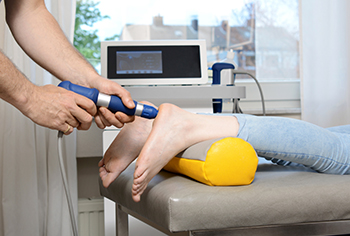
Although the term “shockwave therapy” may sound a little off putting, the science behind it has been used for decades in effective, sound wave treatment for kidney stones (Shockwave Lithotripsy). In soft tissue repair, Extracorporeal Shockwave Therapy (ESWT) has been FDA approved for treating plantar fasciitis—a leading cause of heel pain. ESWT uses high-energy acoustic sound wave impulses to break up scar tissue, reduce pain, and stimulate healing in the damaged and inflamed plantar fascia tissues. ESWT is non-invasive, safe, and effective. If you have persistent pain in your heels, contact a podiatrist for an examination and diagnosis, and to explore whether ESWT may be an option for you.
Shockwave therapy is a treatment commonly used to treat various injuries and conditions, particularly plantar fasciitis in the feet. To learn more, consult with one of our podiatrists from Family Foot Care of Long Island. Our doctors can provide the care you need to keep you pain-free and on your feet.
Shockwave Therapy
Shockwave therapy is a new treatment option designed to treat bone conditions such as tennis elbow, shoulder pain, and others. Shockwave therapy uses high intensity sound waves that are directed to the affected tissues of the body with pinpoint accuracy. The effects are very beneficial, leading to a production of collagen fibers, eliminating inflammation.
Who Benefits from Shockwave?
Shockwave is recommended for patients suffering from heel pain and associated problems. Heel pain is a common condition which can be caused by obesity, overexertion, and spending a substantial amount of time on hard floors with your feet exposed and unsupported.
Fast and Easy
The therapy is actually a simple process that can leave patients feeling better the very next day. Shockwave therapy is not as dramatic as it sounds. It enables more blood flow to effected areas, addressing the source of the problem and allowing treatment to last for a long time.
Treatment & Recovery Time
Shockwave treatment will enable your feet to recover quickly. This is especially important since surgery is not required. It is cost effective and does not require the use of anesthesia. This treatment is a better option to surgery, since it is proven safe.
If you have any questions, please feel free to contact our office located in Port Jefferson Station, NY . We offer the newest diagnostic and treatment technologies for all your foot and ankle needs.
Tuesday, 07 September 2021 00:00
The Healing Science of Sound Waves
Although the term “shockwave therapy” may sound a little off putting, the science behind it has been used for decades in effective, sound wave treatment for kidney stones (Shockwave Lithotripsy). In soft tissue repair, Extracorporeal Shockwave Therapy (ESWT) has been FDA approved for treating plantar fasciitis—a leading cause of heel pain. ESWT uses high-energy acoustic sound wave impulses to break up scar tissue, reduce pain, and stimulate healing in the damaged and inflamed plantar fascia tissues. ESWT is non-invasive, safe, and effective. If you have persistent pain in your heels, contact a podiatrist for an examination and diagnosis, and to explore whether ESWT may be an option for you.
Shockwave therapy is a treatment commonly used to treat various injuries and conditions, particularly plantar fasciitis in the feet. To learn more, consult with one of our podiatrists from Family Foot Care of Long Island. Our doctors can provide the care you need to keep you pain-free and on your feet.
Shockwave Therapy
Shockwave therapy is a new treatment option designed to treat bone conditions such as tennis elbow, shoulder pain, and others. Shockwave therapy uses high intensity sound waves that are directed to the affected tissues of the body with pinpoint accuracy. The effects are very beneficial, leading to a production of collagen fibers, eliminating inflammation.
Who Benefits from Shockwave?
Shockwave is recommended for patients suffering from heel pain and associated problems. Heel pain is a common condition which can be caused by obesity, overexertion, and spending a substantial amount of time on hard floors with your feet exposed and unsupported.
Fast and Easy
The therapy is actually a simple process that can leave patients feeling better the very next day. Shockwave therapy is not as dramatic as it sounds. It enables more blood flow to effected areas, addressing the source of the problem and allowing treatment to last for a long time.
Treatment & Recovery Time
Shockwave treatment will enable your feet to recover quickly. This is especially important since surgery is not required. It is cost effective and does not require the use of anesthesia. This treatment is a better option to surgery, since it is proven safe.
If you have any questions, please feel free to contact our office located in Port Jefferson Station, NY . We offer the newest diagnostic and treatment technologies for all your foot and ankle needs.
Blog Archives
- April 2025
- March 2025
- February 2025
- January 2025
- December 2024
- November 2024
- October 2024
- September 2024
- August 2024
- July 2024
- June 2024
- May 2024
- April 2024
- March 2024
- February 2024
- January 2024
- December 2023
- November 2023
- October 2023
- September 2023
- August 2023
- July 2023
- June 2023
- May 2023
- April 2023
- March 2023
- February 2023
- January 2023
- December 2022
- November 2022
- October 2022
- September 2022
- August 2022
- July 2022
- June 2022
- May 2022
- April 2022
- March 2022
- February 2022
- January 2022
- December 2021
- November 2021
- October 2021
- September 2021
- August 2021
- July 2021
- June 2021
- May 2021
- April 2021
- March 2021
- February 2021
- January 2021
- December 2020
- November 2020
- October 2020
- September 2020
- August 2020
- July 2020
- June 2020
- May 2020
- April 2020
- March 2020
- February 2020
- January 2020
- December 2019
- November 2019
- October 2019
- September 2019
- August 2019
- July 2019
- June 2019
- May 2019
- April 2019
- March 2019
- February 2019
- January 2019
- December 2018
- November 2018
- October 2018
- September 2018
- August 2018
- July 2018
- June 2018
- May 2018
- April 2018
- March 2018
- February 2018
- January 2018
- December 2017
- November 2017
- October 2017
- September 2017
