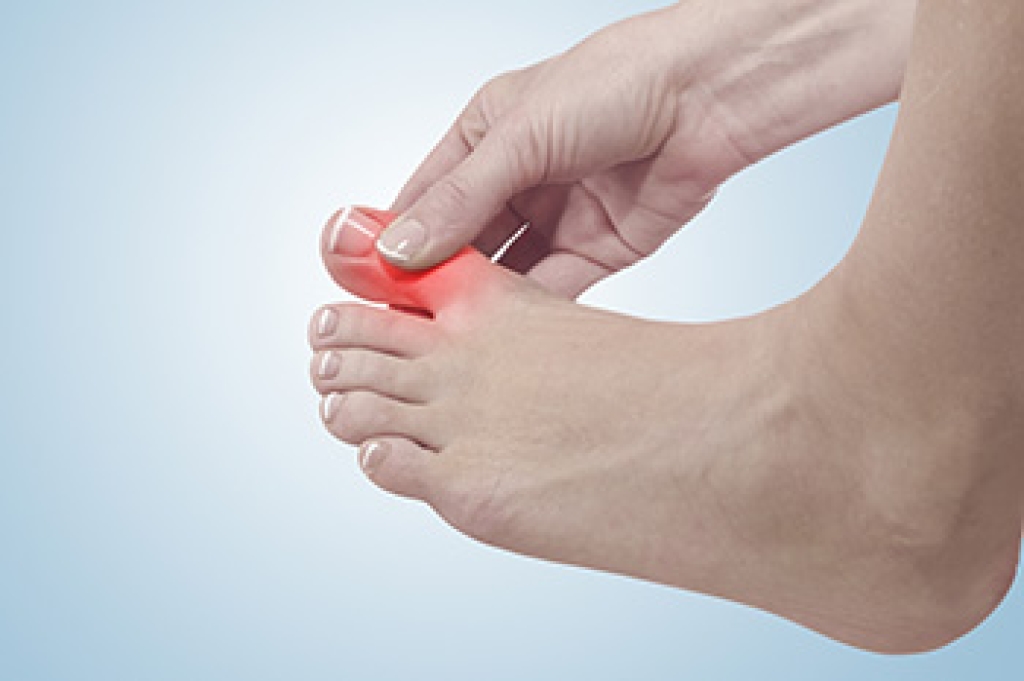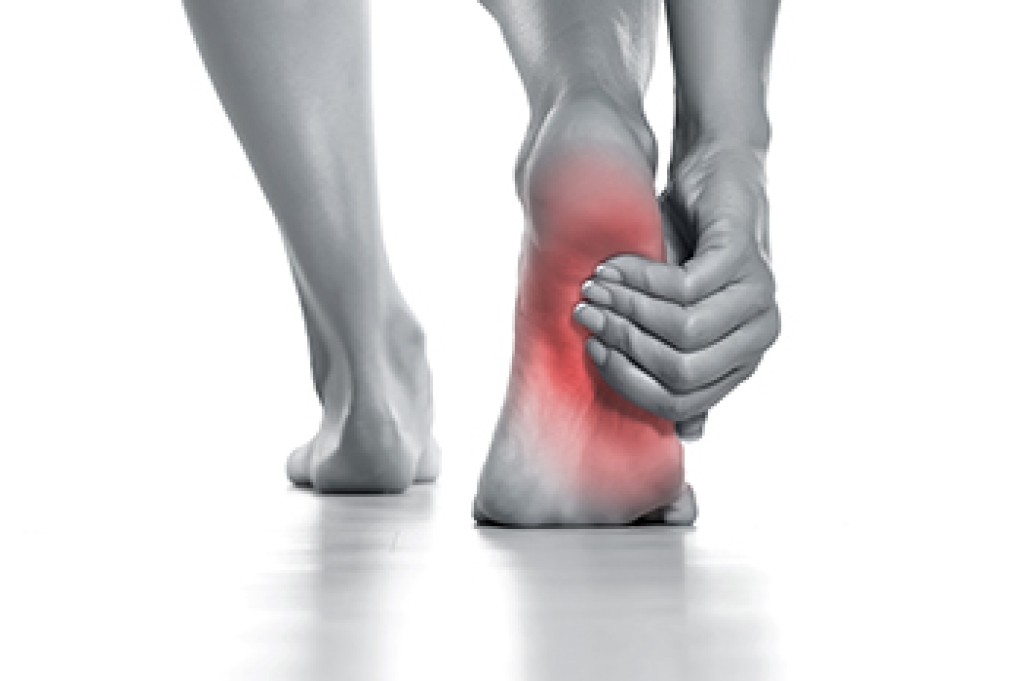
Pain in the middle of the foot and changes in the smaller toes can develop gradually, over time. These problems are more common with aging and increased body weight, which place extra pressure on the feet. Arthritis in the arch area can cause stiffness, swelling, and discomfort during walking or standing. At the same time, the lesser toes may begin to bend or shift, leading to deformities such as hammertoes or claw toes. This can create pressure points, corns, and trouble with shoes. Wearing supportive footwear, using custom orthotics, and seeking early care can help reduce strain and improve comfort. Gentle activity and weight management may also help protect foot health. If you notice ongoing pain, toe changes, or difficulty with movement, it is suggested you seek evaluation by a podiatrist for proper care and guidance.
Arthritis can be a difficult condition to live with. If you are seeking treatment, contact one of our podiatrists from Family Foot Care of Long Island. Our doctors can provide the care you need to keep you pain-free and on your feet.
Arthritic Foot Care
Arthritis is a term that is commonly used to describe joint pain. The condition itself can occur to anyone of any age, race, or gender, and there are over 100 types of it. Nevertheless, arthritis is more commonly found in women compared to men, and it is also more prevalent in those who are overweight. The causes of arthritis vary depending on which type of arthritis you have. Osteoarthritis for example, is often caused by injury, while rheumatoid arthritis is caused by a misdirected immune system.
Symptoms
- Swelling
- Pain
- Stiffness
- Decreased Range of Motion
Arthritic symptoms range in severity, and they may come and go. Some symptoms stay the same for several years but could potentially get worse with time. Severe cases of arthritis can prevent its sufferers from performing daily activities and make walking difficult.
Risk Factors
- Occupation – Occupations requiring repetitive knee movements have been linked to osteoarthritis
- Obesity – Excess weight can contribute to osteoarthritis development
- Infection – Microbial agents can infect the joints and trigger arthritis
- Joint Injuries – Damage to joints may lead to osteoarthritis
- Age – Risk increases with age
- Gender –Most types are more common in women
- Genetics – Arthritis can be hereditary
If you suspect your arthritis is affecting your feet, it is crucial that you see a podiatrist immediately. Your doctor will be able to address your specific case and help you decide which treatment method is best for you.
If you have any questions please feel free to contact our office located in Port Jefferson Station, NY . We offer the newest diagnostic tools and technology to treat your foot and ankle needs.