
Ankle Osteoarthritis Symptoms and Treatment Options

Ankle osteoarthritis develops when the smooth cartilage that cushions the ankle bones wears down. Without this protective layer, the bones can rub against each other and form painful bone spurs. Many cases begin after a serious ankle injury, including a fracture or severe sprain. Symptoms include pain, stiffness, and swelling. The ankle may feel worse in the morning or after activity. Other symptoms include tenderness, limited motion, or trouble when walking. These changes can make work, exercise, and everyday tasks harder. Because ankle pain can have several causes, an accurate diagnosis is important before treatment begins.

A podiatrist starts by asking when the pain began and whether the ankle was injured before. During a physical examination, the podiatrist checks the joint for swelling, tenderness, and reduced range of motion. A gait analysis shows how the patient stands and walks. It can reveal limping, poor alignment, or weakness in the foot and ankle. X-rays can show lost space between the bones, bone spurs, and signs of an old fracture. Blood tests might be ordered to rule out other forms of arthritis. The results help the podiatrist judge how far the condition has progressed and which care plan fits the patient’s needs.

Treatment aims to reduce pain, protect movement, and help the patient stay active. A podiatrist can recommend changes in activity, weight management, and supportive devices. An ankle brace, custom orthotics, or shoes that provide proper support can reduce strain on the joint. Treatment also includes non-drug methods, medication options, and surgery. When less-invasive care does not provide enough relief, the podiatrist can explain procedures that clean out damaged tissue, fuse the ankle bones, or replace the joint. Each option has different effects on motion and recovery. Regular follow-up visits allow the podiatrist to track symptoms and adjust the treatment plan. If you have symptoms of osteoarthritis affecting your ankles, it is suggested that you schedule an appointment with a podiatrist for a diagnosis and appropriate treatment.

Arthritis can be a difficult condition to live with. If you are seeking treatment, contact one of our podiatrists from Family Foot Care of Long Island. Our doctors can provide the care you need to keep you pain-free and on your feet.

Arthritic Foot Care  

Arthritis is a joint disorder that involves the inflammation of different joints in your body, such as those in your feet. Arthritis is often caused by a degenerative joint disease and causes mild to severe pain in all affected areas. In addition to this, swelling and stiffness in the affected joints can also be a common symptom of arthritis.

In many cases, wearing ill-fitting shoes can worsen the effects and pain of arthritis. Wearing shoes that have a lower heel and extra room can help your feet feel more comfortable. In cases of rheumatoid arthritis, the arch in your foot may become problematic. Buying shoes with proper arch support that contour to your feet can help immensely.

Alleviating Arthritic Pain

  • Exercises that stretch the foot can prevent further pain and injury and increase mobility
  • Most of the pain can be alleviated with anti-inflammatory drugs, heat, and topical medications
  • Massages can help temporarily alleviate pain.

It is best to see your doctor for the treatment that is right for your needs and symptoms. Conditions vary, and a podiatrist can help you determine the right method of care for your feet.

If you have any questions please feel free to contact our office located in Port Jefferson Station, NY . We offer the newest diagnostic tools and technology to treat your foot and ankle needs.
Read more about Arthritic Foot Care

Understanding Foot Pain and How the Feet Move

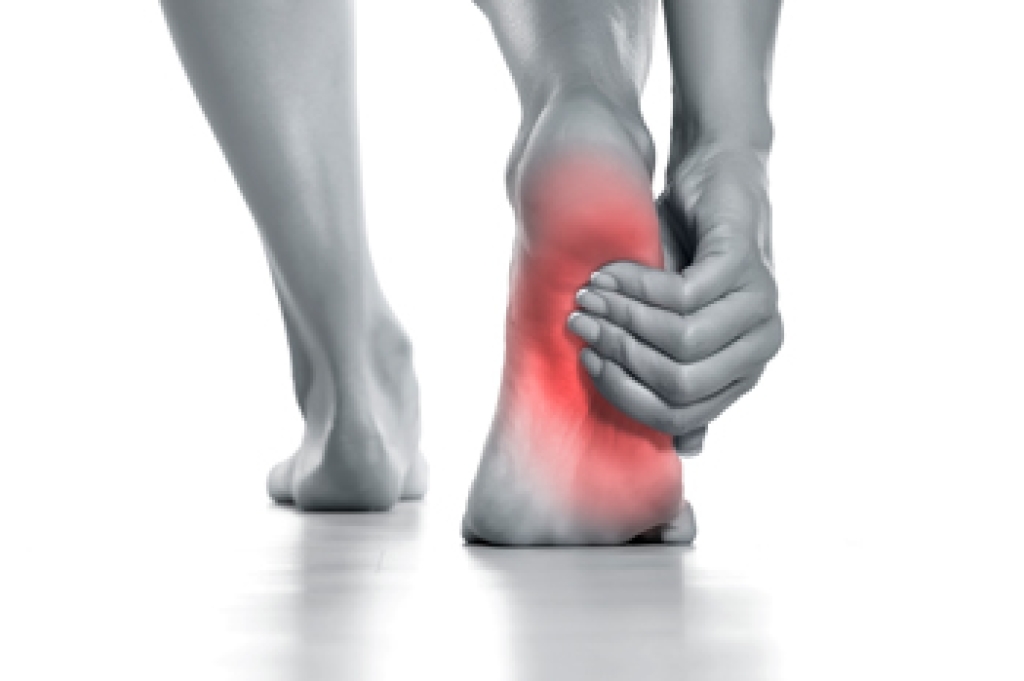
Foot pain can affect the way a person stands, walks, and completes daily activities. Pain can occur in different areas, including the toes, forefoot, and back part of the foot. Foot structure and the way the foot moves can also play a role in discomfort. A low-arched foot, sometimes called a flat foot, has a lower inner arch when bearing weight. Another pattern involves the foot rolling inward more than expected while walking. Research involving more than 3,000 people found associations between certain foot structures and foot pain. The findings showed that low-arched foot posture was associated with arch pain in men, while inward-rolling foot function was associated with general foot pain and heel pain in men. These findings show that foot shape and movement can be important factors when evaluating foot discomfort.

A podiatrist can evaluate foot structure, movement, and areas of pain to help determine factors that contribute to symptoms. The examination can consider how the feet function while standing and walking. It can also assess whether changes in foot movement place added stress on certain areas. Podiatric care can include gait evaluation, assessment of foot alignment, and treatment designed to support normal foot function. Care can be tailored to the location and cause of the pain. Wearing footwear that provides proper support can also be considered when foot structure or movement contributes to discomfort. In some cases, supportive devices may be used to help modify foot function. The goal is to reduce stress on painful areas and support comfortable movement during daily activities.

Foot pain can have many contributing factors, so the shape of the foot alone does not explain every case. Age, weight, and other foot conditions can also influence symptoms. Pain that continues or affects normal movement deserves evaluation. A podiatrist can identify changes in foot structure and function and develop care based on the specific symptoms. Understanding how the foot moves can also help guide treatment and support better function. Research suggests that modifying abnormal foot posture or movement can have a role in managing foot pain. If you have foot pain, it is suggested that you schedule an appointment with a podiatrist for a diagnosis and appropriate treatment.

Foot Pain

Foot pain can be extremely painful and debilitating. If you have a foot pain, consult with one of our podiatrists from Family Foot Care of Long Island. Our doctors will assess your condition and provide you with quality foot and ankle treatment.

Causes

Foot pain is a very broad condition that could be caused by one or more ailments. The most common include:

  • Bunions
  • Hammertoes
  • Plantar Fasciitis
  • Bone Spurs
  • Corns
  • Tarsal Tunnel Syndrome
  • Ingrown Toenails
  • Arthritis (such as Gout, Rheumatoid, and Osteoarthritis)
  • Flat Feet
  • Injury (from stress fractures, broken toe, foot, ankle, Achilles tendon ruptures, and sprains)
  • And more

Diagnosis

To figure out the cause of foot pain, podiatrists utilize several different methods. This can range from simple visual inspections and sensation tests to X-rays and MRI scans. Prior medical history, family medical history, and any recent physical traumatic events will all be taken into consideration for a proper diagnosis.

Treatment

Treatment depends upon the cause of the foot pain. Whether it is resting, staying off the foot, or having surgery; podiatrists have a number of treatment options available for foot pain.

If you have any questions, please feel free to contact our office located in Port Jefferson Station, NY . We offer the newest diagnostic and treatment technologies for all your foot care needs.

Read more about Foot Pain

Ingrown Toenails and Podiatry Care

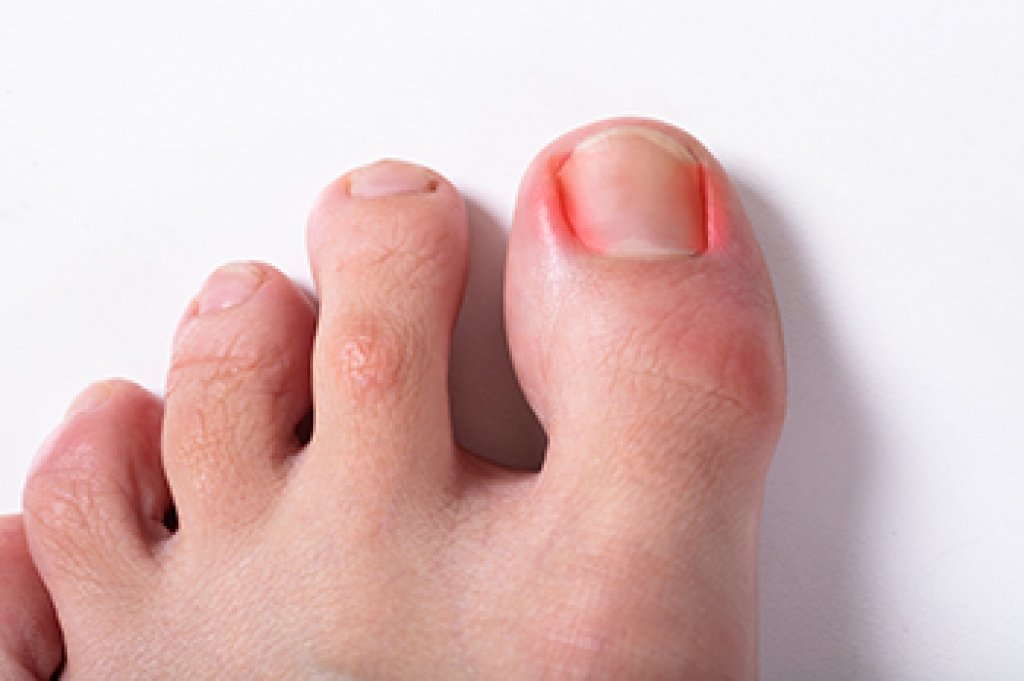
An ingrown toenail develops when the edge of a toenail grows into the surrounding skin instead of over it. This condition most often affects the big toe and can become increasingly painful if left untreated. Common causes include trimming the nails improperly, wearing tight-fitting shoes, and injuries to the toe. As the nail continues to press into the skin, it may cause redness, swelling, and tenderness. Some people also notice drainage or signs of infection if bacteria enter the irritated area. Because other toe conditions can produce similar symptoms, a professional evaluation is important to identify the problem and recommend the most appropriate treatment.


As an ingrown toenail worsens, everyday activities such as walking or exercising may become uncomfortable. Continued pressure on the affected toe can increase inflammation and make it difficult to wear normal footwear. In some cases, the surrounding skin may become infected, leading to increased pain and delayed healing. Certain individuals, including those with diabetes or poor circulation, may have a greater risk of developing complications. A thorough examination helps determine the severity of the condition and whether additional treatment is needed. Early diagnosis can reduce discomfort and help prevent the problem from becoming more serious.


A podiatrist specializes in diagnosing and treating ingrown toenails while addressing the underlying cause of the condition. Professional care focuses on relieving pain, reducing inflammation, and preventing future complications. A podiatrist also evaluates the shape of the nail and surrounding tissue to determine the most appropriate treatment plan for each patient. Early podiatry care may help protect the toe from worsening symptoms and support a faster return to comfortable daily activities. If you are experiencing toe pain, swelling, or signs of an ingrown toenail, it is suggested that you consult a podiatrist for an evaluation and appropriate treatment options.

Ingrown toenails may initially present themselves as a minor discomfort, but they may progress into an infection in the skin without proper treatment. For more information about ingrown toenails, contact one of our podiatrists of Family Foot Care of Long Island. Our doctors can provide the care you need to keep you pain-free and on your feet.

Ingrown Toenails

Ingrown toenails are caused when the corner or side of a toenail grows into the soft flesh surrounding it. They often result in redness, swelling, pain, and in some cases, infection. This condition typically affects the big toe and may recur if it is not treated properly.

Causes

  • Improper toenail trimming
  • Genetics
  • Improper shoe fitting
  • Injury from pedicures or nail picking
  • Abnormal gait
  • Poor hygiene

You are more likely to develop an ingrown toenail if you are obese, have diabetes, arthritis, or have any fungal infection in your nails. Additionally, people who have foot or toe deformities are at a higher risk of developing an ingrown toenail.

Symptoms

Some symptoms of ingrown toenails are redness, swelling, and pain. In rare cases, there may be a yellowish drainage coming from the nail.

Treatment

Ignoring an ingrown toenail can have serious complications. Infections of the nail border can progress to a deeper soft-tissue infection, which can then turn into a bone infection. You should always speak with your podiatrist if you suspect you have an ingrown toenail, especially if you have diabetes or poor circulation.

If you have any questions, please feel free to contact our office located in Port Jefferson Station, NY . We offer the newest diagnostic and treatment technologies for all your foot care needs.

Read more about Ingrown Toenail Care

Plantar Warts Can Be Treated!

Plantar warts are small growths that develop on parts of the feet that bear weight. They're typically found on the bottom of the foot. Don't live with plantar warts, and call us today!

Foot Mobility and Strength Training

Foot mobility refers to the ability of the feet to move freely and efficiently through a full range of motion. The feet serve as the foundation of the body, supporting weight distribution, absorbing shock, and assisting with movement. Proper mobility allows the muscles and joints in the feet to function in coordination during daily activities. When mobility is limited, it can affect posture, balance, and overall alignment. Understanding the role of foot function is essential for maintaining stability and reducing strain throughout the body.

During walking, the feet move through a structured gait cycle that includes the stance phase and the swing phase. The stance phase occurs when the foot is in contact with the ground and is responsible for weight bearing and shock absorption. The swing phase follows as the foot lifts and moves forward to prepare for the next step. Efficient muscle activation during these phases ensures smooth movement and proper force distribution. When foot mobility is reduced, this cycle becomes less efficient, increasing stress on the ankles, knees, and hips.


Common symptoms of poor foot mobility include stiffness, discomfort, and reduced flexibility. Individuals may notice instability when walking or standing, along with a decrease in balance. Risk factors include improper footwear, lack of strengthening exercises, and repetitive stress from daily activities. Strengthening the feet can improve muscle activation and restore natural movement patterns.


Simple foot exercises can help improve foot mobility and strength. Toe curls are performed by gripping the floor with the toes and holding briefly before releasing. Toe raises involve lifting the toes upward while keeping the heel and ball of the foot grounded. Toe spreading focuses on widening the toes apart to improve control and flexibility. Performing these exercises regularly can support proper function and reduce strain. If you have foot pain, it is suggested that you consult a podiatrist for an accurate diagnosis, appropriate treatment, and guidance on additional foot stretches and exercises.

Exercising your feet regularly with the proper foot wear is a great way to prevent injuries and build strength. If you have any concerns about your feet, contact one of our podiatrists from Family Foot Care of Long Island. Our doctors can provide the care you need to keep you pain-free and on your feet.

Exercise for Your Feet

Exercise for your feet can help you gain strength, mobility and flexibility in your feet. They say that strengthening your feet can be just as rewarding as strengthening another part of the body. Your feet are very important, and we often forget about them in our daily tasks. But it is because of our feet that are we able to get going and do what we need to. For those of us fortunate enough to not have any foot problems, it is an important gesture to take care of them to ensure good health in the long run.

Some foot health exercises can include ankle pumps, tip-toeing, toe rises, lifting off the floor doing reps and sets, and flexing the toes. It is best to speak with Our doctors to determine an appropriate regimen for your needs. Everyone’s needs and bodies are different, and the activities required to maintain strength in the feet vary from individual to individual. 

Once you get into a routine of doing regular exercise, you may notice a difference in your feet and how strong they may become.

If you have any questions, please feel free to contact our office located in Port Jefferson Station, NY . We offer the newest diagnostic and treatment technologies for all your foot care needs.

Read more about Exercise for Your Feet

Connect With Us