
What Causes a Broken Toe?

A broken toe is a common foot injury that occurs when one of the small bones in the toe becomes fractured due to excessive force or trauma. Although toes are small, they play an important role in balance and movement, making even a minor fracture disruptive to daily activities. This condition can affect anyone and is often underestimated, leading individuals to delay proper care. Understanding the causes and early signs is important for effective treatment and recovery.

The most common causes of a broken toe involve direct impact or sudden force. Dropping a heavy object such as furniture, tools, or equipment onto the foot can create enough pressure to fracture the bone. Forcefully stubbing the toe against a hard surface is another leading cause, especially when the impact is unexpected. Sports-related injuries, especially those involving quick stops or collisions, can also result in toe fractures. Individuals who walk barefoot or wear thin, poorly fitting shoes may have less protection and face a higher risk of injury.

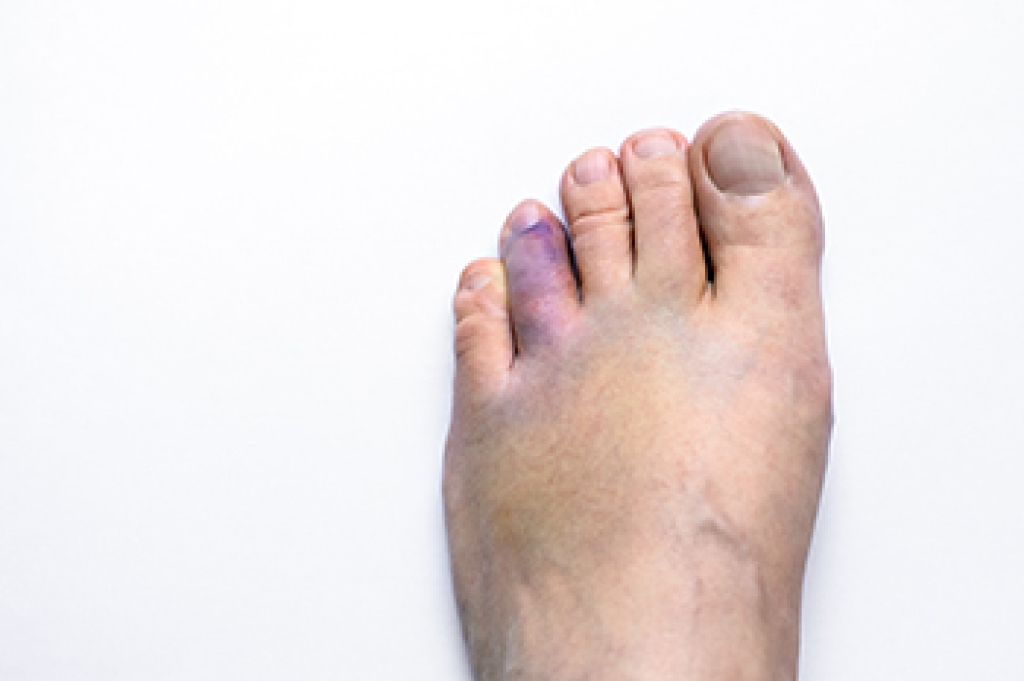
Symptoms of a broken toe usually develop immediately after the injury. Sharp pain, swelling, and bruising are common, along with tenderness when touching the area. The toe may appear stiff, and in more severe cases, it can look misaligned or deformed. Walking may become painful, and placing weight on the foot can be difficult. Without proper care, a fractured toe may heal incorrectly, leading to long-term discomfort or joint problems.

Risk factors include participation in high-impact activities, inadequate footwear, and reduced bone strength. Older adults and individuals with underlying bone conditions may be more susceptible to fractures. Early evaluation and appropriate treatment can support proper healing and reduce complications. If you have toe pain or suspect a fracture, it is suggested that you consult a podiatrist for effective relief and treatment solutions.

A broken toe can be very painful and lead to complications if not properly fixed. If you have any concerns about your feet, contact one of our podiatrists from Family Foot Care of Long Island. Our doctors will treat your foot and ankle needs.

What to Know About a Broken Toe

Although most people try to avoid foot trauma such as banging, stubbing, or dropping heavy objects on their feet, the unfortunate fact is that it is a common occurrence. Given the fact that toes are positioned in front of the feet, they typically sustain the brunt of such trauma. When trauma occurs to a toe, the result can be a painful break (fracture).

Symptoms of a Broken Toe

  • Throbbing pain
  • Swelling
  • Bruising on the skin and toenail
  • The inability to move the toe
  • Toe appears crooked or disfigured
  • Tingling or numbness in the toe

Generally, it is best to stay off of the injured toe with the affected foot elevated.

Severe toe fractures may be treated with a splint, cast, and in some cases, minor surgery. Due to its position and the pressure it endures with daily activity, future complications can occur if the big toe is not properly treated.

If you have any questions, please feel free to contact our office located in Port Jefferson Station, NY . We offer the newest diagnostic and treatment technologies for all your foot care needs.
Read more about What to Know About a Broken Toe

Why Flat Feet Can Cause Foot and Ankle Pain

Flat feet occur when the arches of the feet are lower than normal or do not develop fully. In some people, the arches appear when they are sitting, but flatten when they stand. This is called flexible flatfoot because the arch changes position with movement. Many people with flat feet have no pain, but others develop discomfort after standing for long periods of time or while walking. Pain can affect the heel, ankle, or even the lower leg. The feet can also become tired more quickly during daily activities. Factors like inherited foot structure, injuries, and shoes that lack proper support can increase stress on the feet and contribute to symptoms.

A podiatrist can determine whether flat feet are causing your pain or whether another condition is responsible. The evaluation includes examining your feet while sitting, standing, and walking. Your podiatrist also checks how the ankles move and whether the arches change shape with movement. X-rays can show the position of the bones and help identify arthritis or other structural problems. In some cases, advanced imaging provides a closer look at the tendons and other soft tissues. A tendon is a strong band of tissue that connects muscle to bone. Finding the exact cause of pain helps your podiatrist develop the most effective treatment plan.

Treatment depends on the severity of the symptoms and the condition of the feet. A podiatrist can recommend custom orthotics to improve foot support and reduce strain on the arches. Orthotics are specially designed shoe inserts that help improve foot alignment and distribute pressure more evenly. Additional treatment includes supportive braces, or medication to reduce pain and inflammation. Some patients with severe deformity or long-lasting pain that does not respond to other treatments benefit from surgery. Early evaluation can improve comfort, protect foot function, and help prevent worsening problems. If you have symptoms of flat feet, it is suggested that you schedule an appointment with a podiatrist for effective relief and management tips.

Flatfoot is a condition many people suffer from. If you have flat feet, contact one of our podiatrists from Family Foot Care of Long Island. Our doctors will treat your foot and ankle needs.

What Are Flat Feet?

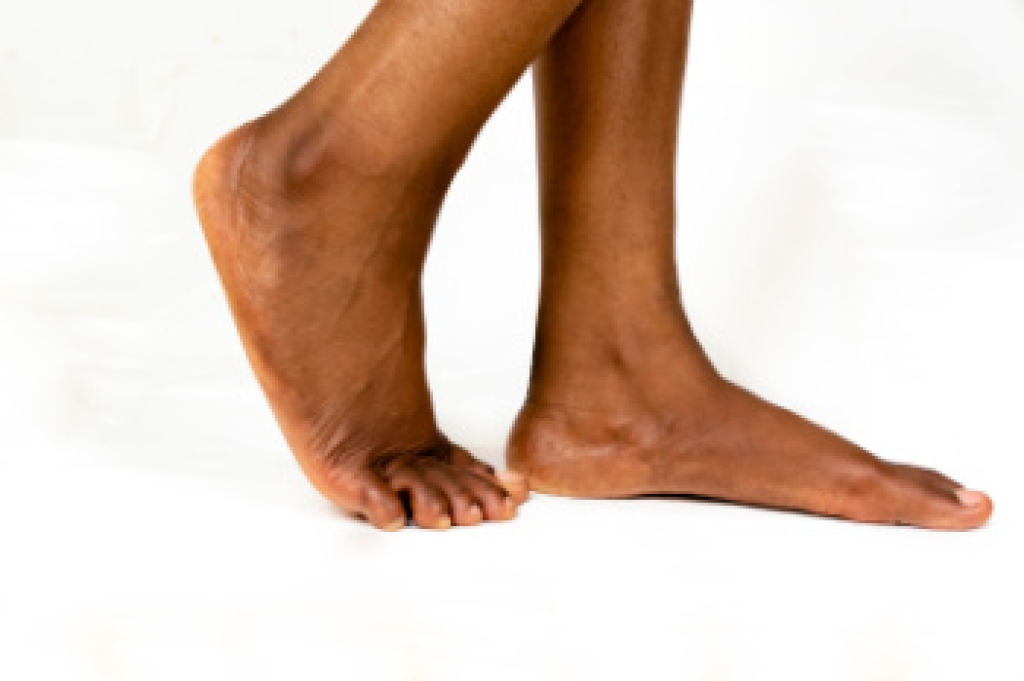
Flatfoot is a condition in which the arch of the foot is depressed and the sole of the foot is almost completely in contact with the ground. About 20-30% of the population generally has flat feet because their arches never formed during growth.

Conditions & Problems:

Having flat feet makes it difficult to run or walk because of the stress placed on the ankles.

Alignment – The general alignment of your legs can be disrupted, because the ankles move inward which can cause major discomfort.

Knees – If you have complications with your knees, flat feet can be a contributor to arthritis in that area.  

Symptoms

  • Pain around the heel or arch area
  • Trouble standing on the tip toe
  • Swelling around the inside of the ankle
  • Flat look to one or both feet
  • Having your shoes feel uneven when worn

Treatment

If you are experiencing pain and stress on the foot you may weaken the posterior tibial tendon, which runs around the inside of the ankle. 

If you have any questions, please feel free to contact our office located in Port Jefferson Station, NY . We offer the newest diagnostic and treatment technologies for all your foot care needs.

Read more about Flatfoot

Sever’s Disease in Active Children

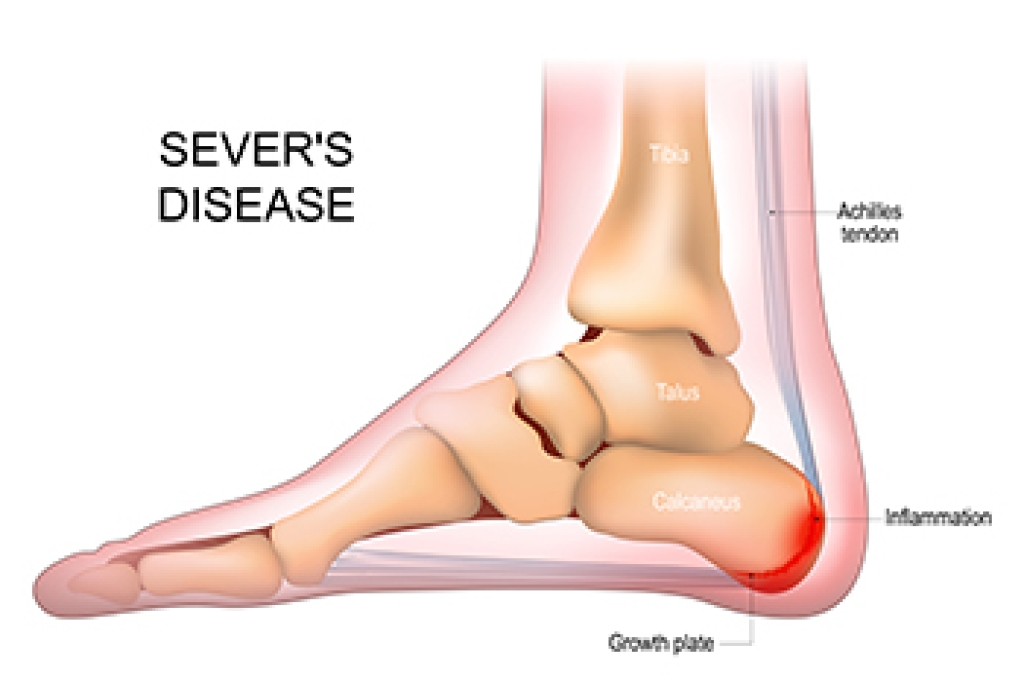
Sever’s disease, also known as calcaneal apophysitis, is a common cause of heel pain in growing children and adolescents. It occurs when the growth plate in the heel becomes inflamed due to repetitive stress and tension from the Achilles tendon. This condition is most often seen in physically active children who participate in running or jumping sports. During growth spurts, bones can grow faster than muscles and tendons, which increases strain on the heel. This imbalance leads to irritation and discomfort that can affect mobility and performance in daily and athletic activities.

Symptoms of Sever’s disease include heel pain that worsens with activity and improves with rest. Children may complain of soreness at the back or bottom of the heel, especially after sports. Tenderness, mild swelling, and stiffness are also common. Some children may walk on their toes or limp to avoid placing pressure on the heel. Recognizing these symptoms early is important to prevent worsening pain and to support proper healing during active growth phases.


Risk factors include participation in high-impact sports, rapid growth periods, and tight calf muscles that increase tension on the heel. Improper footwear that lacks cushioning or support can further contribute to stress on the growth plate. Flat feet or high-arched foot structure may also affect how weight is distributed, increasing strain on the heel. These combined factors make active children more vulnerable to this condition, especially during periods of increased activity or training intensity.


Relief from Sever’s disease focuses on reducing stress on the heel and allowing the growth plate to recover. Rest, activity modification, and stretching of the calf muscles are essential components of care. Supportive footwear and heel cushions can help absorb shock and reduce discomfort. Early treatment helps prevent prolonged pain and supports a safe return to activity. If your child has heel pain, it is suggested that you consult a podiatrist who can accurately diagnose Sever’s disease and provide effective relief tips.

Sever's disease often occurs in children and teens. If your child is experiencing foot or ankle pain, see one of our podiatrists from Family Foot Care of Long Island. Our doctors can treat your child’s foot and ankle needs.

Sever’s Disease

Sever’s disease is also known as calcaneal apophysitis, which is a medical condition that causes heel pain I none or both feet. The disease is known to affect children between the ages of 8 and 14.

Sever’s disease occurs when part of the child’s heel known as the growth plate (calcaneal epiphysis) is attached to the Achilles tendon. This area can suffer injury when the muscles and tendons of the growing foot do not keep pace with bone growth. Therefore, the constant pain which one experiences at the back of the heel will make the child unable to put any weight on the heel. The child is then forced to walk on their toes.

Symptoms

Acute pain – Pain associated with Sever’s disease is usually felt in the heel when the child engages in physical activity such as walking, jumping and or running.

Highly active – Children who are very active are among the most susceptible in experiencing Sever’s disease, because of the stress and tension placed on their feet.

If you have any questions, please feel free to contact our office located in Port Jefferson Station, NY . We offer the newest diagnostic and treatment technologies for all your foot care needs.
Read more about Sever's Disease

Connect With Us