
Custom orthotics, or shoe inserts, should be periodically replaced. Orthotics must fit properly to give you the best results. Protect your feet and ankles!
Custom orthotics, or shoe inserts, should be periodically replaced. Orthotics must fit properly to give you the best results. Protect your feet and ankles!

Toenail fungus is an infection that develops when fungi grow in or under the nail. The infection usually begins slowly and can affect one or more toenails. Early signs include white, yellow, or brown discoloration. As the infection progresses, the nail can become thicker, brittle, crumbly, or misshapen. Some people also notice the nail separating from the skin underneath, along with discomfort or an unpleasant odor. Toenail fungus often starts after athlete's foot spreads to the nail, and fungi thrive in warm, moist environments. Wearing shoes for long periods without good air flow and repeated nail injuries can also increase the risk of infection.
A podiatrist carefully examines the affected nail and surrounding skin to confirm the cause of the problem because several nail conditions can look similar. In some cases, testing a small nail sample helps identify the type of infection before treatment begins. Treatment includes trimming thickened nails, removing damaged nail material when appropriate, and recommending the most effective treatment plan. A podiatrist also evaluates foot structure and nail health to reduce pressure that can worsen discomfort. Regular follow-up visits help monitor nail growth and track progress as healthier nail tissue gradually replaces the damaged nail. Addressing the infection early can also help protect nearby nails and improve overall foot health.
Ignoring toenail fungus can allow the infection to spread to additional nails and increase damage to the affected nail. In severe cases, the nail can become deformed or even destroyed. People with diabetes or weakened immune systems should seek prompt podiatry care because complications can develop more easily. Early evaluation helps confirm the diagnosis, guide appropriate treatment, and improve the chances of healthy nail growth. If you have symptoms of toenail fungus, it is suggested that you schedule an appointment with a podiatrist for diagnosis and treatment.
If left untreated, toenail fungus may spread to other toenails, skin, or even fingernails. If you suspect you have toenail fungus it is important to seek treatment right away. For more information about treatment, contact one of our podiatrists of Family Foot Care of Long Island. Our doctors can provide the care you need to keep you pain-free and on your feet.
Symptoms
Treatment
If self-care strategies and over-the-counter medications does not help your fungus, your podiatrist may give you a prescription drug instead. Even if you find relief from your toenail fungus symptoms, you may experience a repeat infection in the future.
Prevention
In order to prevent getting toenail fungus in the future, you should always make sure to wash your feet with soap and water. After washing, it is important to dry your feet thoroughly especially in between the toes. When trimming your toenails, be sure to trim straight across instead of in a rounded shape. It is crucial not to cover up discolored nails with nail polish because that will prevent your nail from being able to “breathe”.
In some cases, surgical procedure may be needed to remove the toenail fungus. Consult with your podiatrist about the best treatment options for your case of toenail fungus.
If you have any questions please contact our office located in Port Jefferson Station, NY . We offer the newest diagnostic and treatment technologies for all your foot and ankle needs.
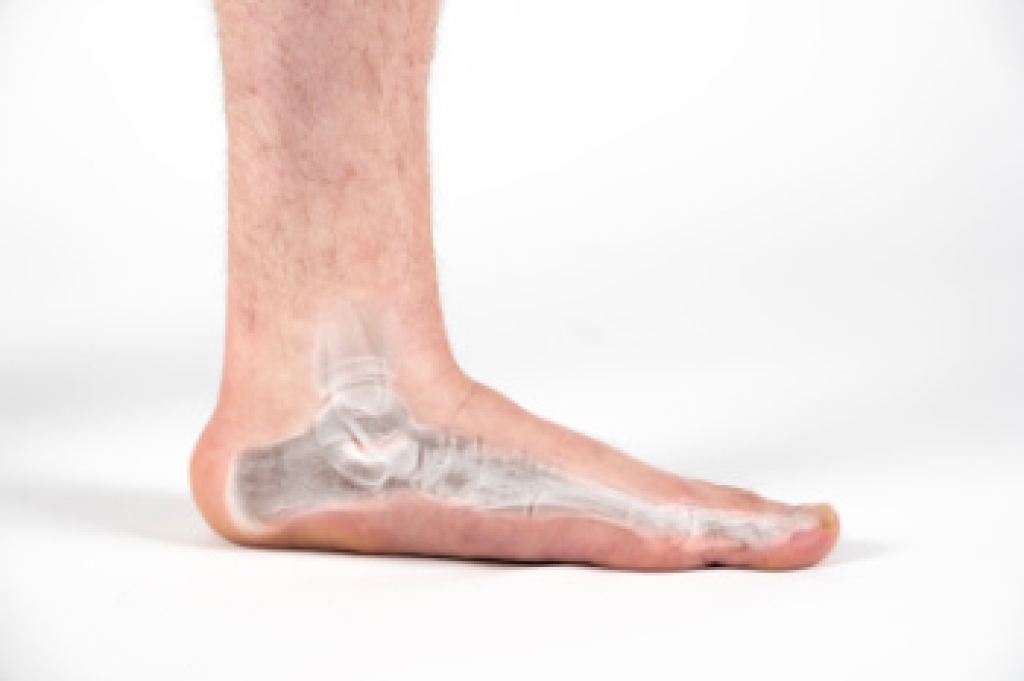
Flat feet occur when one or both feet have a low arch or no visible arch while standing. In some people, the arch never fully develops during childhood. In others, it drops later because of aging or an injury. When symptoms appear, patients can feel aching in the heel or arch, tired feet, or swelling near the ankle. Flat feet can also change how weight moves through the legs. This change can contribute to discomfort in the knees, hips, or lower back.
A podiatrist can determine whether flat feet are causing your symptoms. The visit includes a review of your health, a foot exam, and an evaluation of how you stand and walk. The podiatrist may check whether an arch appears when you rise onto your toes. X-rays can help when an injury, arthritis, or a bone problem is suspected. A wet footprint can suggest a low arch, but it cannot show why the arch is flat. Shoe wear also offers clues, though worn soles do not confirm a diagnosis. An exam is important because heel pain and tired feet can have several causes.
Treatment depends on the symptoms, foot structure, and daily activities. A podiatrist can recommend supportive shoes that fit correctly and provide enough room for the toes. Custom orthotics are prescription inserts shaped for your feet. They can improve support, balance pressure, and make standing or walking more comfortable. A podiatrist can also suggest changes to activities that place extra stress on the feet. Regular follow-up visits allow the doctor to check your comfort and adjust the treatment plan. Surgery is reserved for severe pain or a major change in foot structure that does not improve with other care. Many patients manage flat feet well with a plan designed around their needs. If you have foot problems related to flat feet, it is suggested that you schedule an appointment with a podiatrist for effective relief and management solutions.
Flatfoot is a condition many people suffer from. If you have flat feet, contact one of our podiatrists from Family Foot Care of Long Island. Our doctors will treat your foot and ankle needs.
What Are Flat Feet?
Flatfoot is a condition in which the arch of the foot is depressed and the sole of the foot is almost completely in contact with the ground. About 20-30% of the population generally has flat feet because their arches never formed during growth.
Conditions & Problems:
Having flat feet makes it difficult to run or walk because of the stress placed on the ankles.
Alignment – The general alignment of your legs can be disrupted, because the ankles move inward which can cause major discomfort.
Knees – If you have complications with your knees, flat feet can be a contributor to arthritis in that area.
Symptoms
Treatment
If you are experiencing pain and stress on the foot you may weaken the posterior tibial tendon, which runs around the inside of the ankle.
If you have any questions, please feel free to contact our office located in Port Jefferson Station, NY . We offer the newest diagnostic and treatment technologies for all your foot care needs.
Connect With Us
