
Non-Injury Causes of Foot and Ankle Pain

Foot or ankle pain can develop even when no clear injury has occurred. Repeated strain from work or exercise can irritate muscles, joints, and connective tissues. Changes related to aging can affect foot shape, joint movement, and nail health. Wearing shoes that lack proper support or do not fit can add pressure to these areas. Symptoms vary and can include aching, stiffness, or swelling. Some patients notice burning and tingling, numbness, or changes in skin colour. Pain can affect the toes, heel, or ankle, and may make standing or walking difficult.

The location and type of discomfort can offer clues about its cause. Sharp pain beneath the heel can point to plantar fasciitis, which is irritation of the strong band of tissue supporting the arch. Pain behind the heel may involve the Achilles tendon or nearby tissue. Joint redness, warmth, and sudden severe pain can occur with gout. Bunions, flat feet, and arthritis can also lead to pain without a recent injury. Skin and nail problems are another possible source. Corns, athlete’s foot, and ingrown toenails can cause tenderness or burning. Nerve problems and poor circulation may cause tingling, temperature changes, or reduced feeling.

A podiatrist can determine why the pain is occurring and create a treatment plan based on the findings. The exam includes a review of symptoms, health history, and activities. The podiatrist examines the skin, nails, and way the feet move. X-rays can help identify bone or soft-tissue problems. Treatment options include custom orthotics to improve support, padding to reduce pressure, or guidance on fitting shoes. A podiatrist can provide care for skin and nail conditions. Persistent pain should not be ignored, especially when it limits movement or appears with redness, swelling, or loss of feeling. Early diagnosis can prevent a problem from becoming difficult to treat. If you have foot or ankle pain, it is suggested that you schedule an appointment with a podiatrist for a diagnosis and appropriate treatment.

Everyday foot care is very important to prevent infection and other foot ailments. If you need your feet checked, contact one of our podiatrists from Family Foot Care of Long Island. Our doctors can provide the care you need to keep you pain-free and on your feet.

Everyday Foot Care

Often, people take care of their bodies, face and hair more so than they do for their feet. But the feet are a very important aspect of our bodies, and one that we should pay more attention to. Without our feet, we would not be able to perform most daily tasks.

It is best to check your feet regularly to make sure there are no new bruises or cuts that you may not have noticed before. For dry feet, moisturizer can easily be a remedy and can be applied as often as necessary to the affected areas. Wearing shoes that fit well can also help you maintain good foot health, as well as making it easier to walk and do daily activities without the stress or pain of ill-fitting shoes, high heels, or even flip flops. Wearing clean socks with closed shoes is important to ensure that sweat and bacteria do not accumulate within the shoe. Clean socks help to prevent Athlete’s foot, fungi problems, bad odors, and can absorb sweat.

If you have any questions, please feel free to contact our office located in Port Jefferson Station, NY . We offer the newest diagnostic and treatment technologies for all your foot care needs.

Read more about Every Day Foot Care

Heel Pain Can Be Treated!

Do you suffer from heel pain when you get up in the morning? If so, you should seek professional help and have a proper diagnosis performed. Heel pain can be caused by several different foot-related conditions.

Podiatric Treatment for Gout

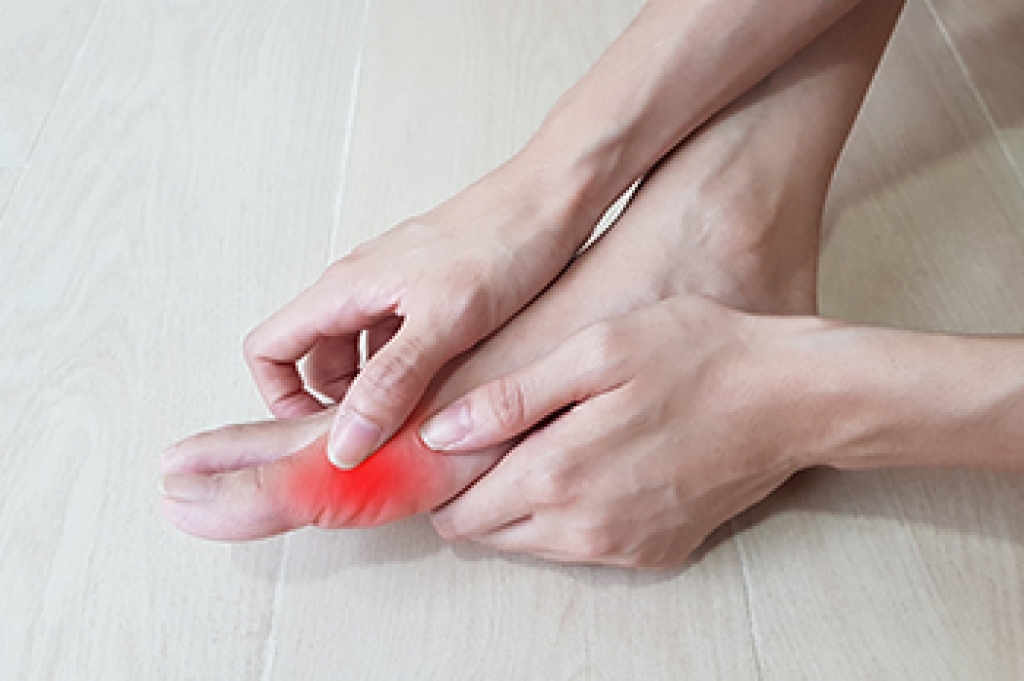
Gout is a form of arthritis that can cause sudden and intense joint pain. It develops when uric acid crystals collect in a joint and cause inflammation. Uric acid is a substance the body produces when it breaks down certain foods and drinks. Gout frequently affects the joint at the base of the big toe, although other joints can be involved. Symptoms include severe pain, redness, and swelling. The affected joint can also feel warm and extremely sensitive to touch. A gout attack can develop within a few hours and make standing or walking very uncomfortable.

High levels of uric acid in the blood increase the risk of gout, although not everyone with a high level develops the condition. Certain health problems can increase the risk, including kidney disease, high blood pressure, and obesity. Some medications can also contribute to gout. A podiatrist can examine a painful, swollen foot and review the patient's symptoms and medical history. Testing can include blood work or imaging tests to help evaluate the affected joint. In some cases, fluid can be removed from a swollen joint and examined for uric acid crystals. Proper diagnosis is important because an infection can cause similar joint symptoms.

Treatment for gout focuses on controlling inflammation and reducing the risk of future attacks.  Prescription medications can reduce pain and inflammation during an attack. Other medications can lower uric acid levels and help prevent repeated attacks. A podiatrist can also monitor the affected foot for joint damage and other complications. Repeated gout attacks can eventually damage joints and interfere with normal movement. Severe gout can also cause hard deposits of uric acid crystals beneath the skin. Proper medical management can help protect joint health and maintain comfortable movement. If you have symptoms of gout, it is suggested that you are under the care of a podiatrist who can help you to manage this serious condition. 

Gout is a foot condition that requires certain treatment and care. If you are seeking treatment, contact one of our podiatrists from Family Foot Care of Long Island. Our doctors will treat your foot and ankle needs.

What Is Gout?

Gout is a type of arthritis caused by a buildup of uric acid in the bloodstream. It often develops in the foot, especially the big toe area, although it can manifest in other parts of the body as well. Gout can make walking and standing very painful and is especially common in diabetics and the obese.

People typically get gout because of a poor diet. Genetic predisposition is also a factor. The children of parents who have had gout frequently have a chance of developing it themselves.

Gout can easily be identified by redness and inflammation of the big toe and the surrounding areas of the foot. Other symptoms include extreme fatigue, joint pain, and running high fevers. Sometimes corticosteroid drugs can be prescribed to treat gout, but the best way to combat this disease is to get more exercise and eat a better diet.

If you have any questions, please feel free to contact our office located in Port Jefferson Station, NY . We offer the newest diagnostic and treatment technologies for all your foot care needs.

Read more about Everything You Need to Know About Gout

Connect With Us